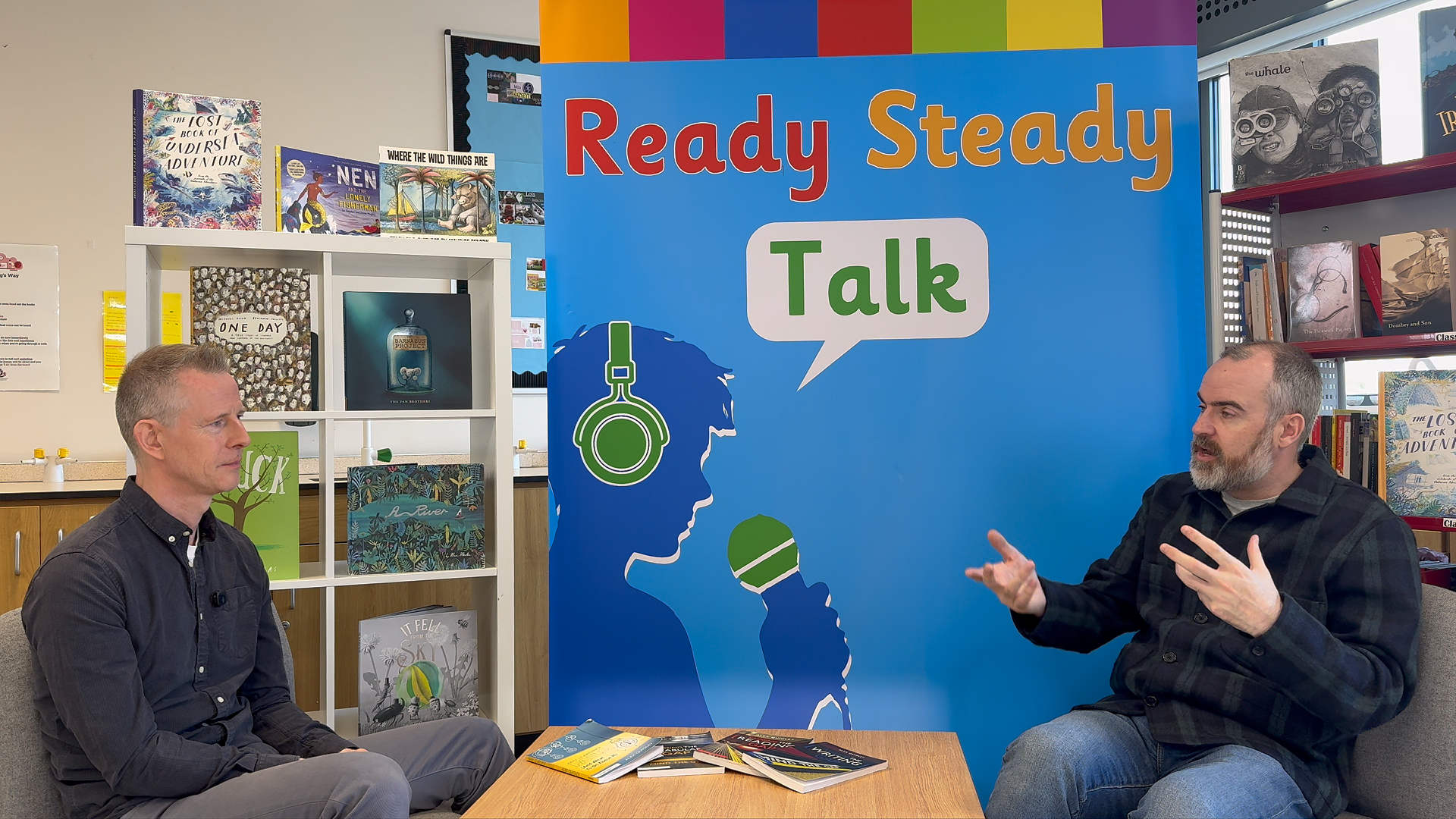
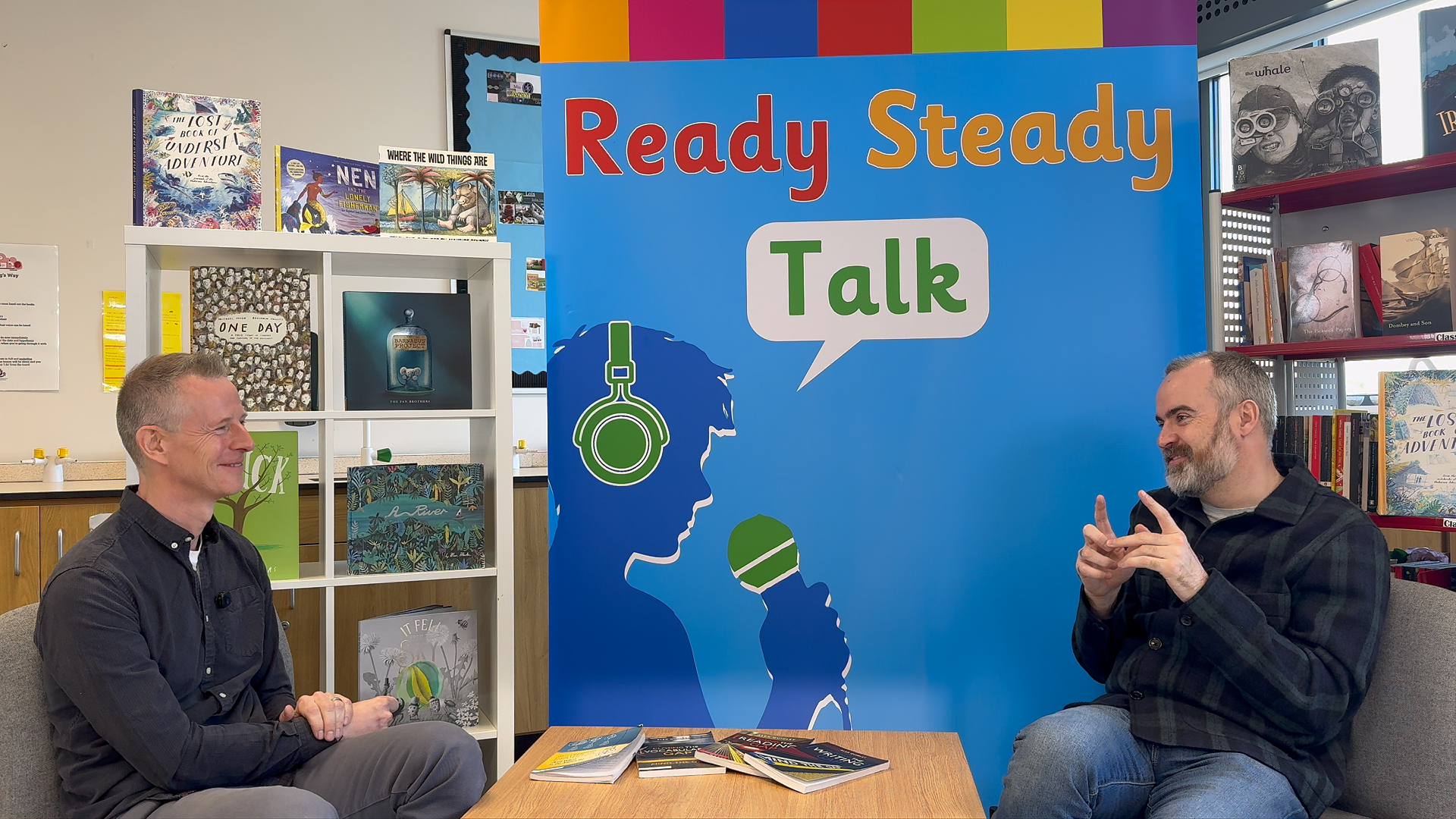
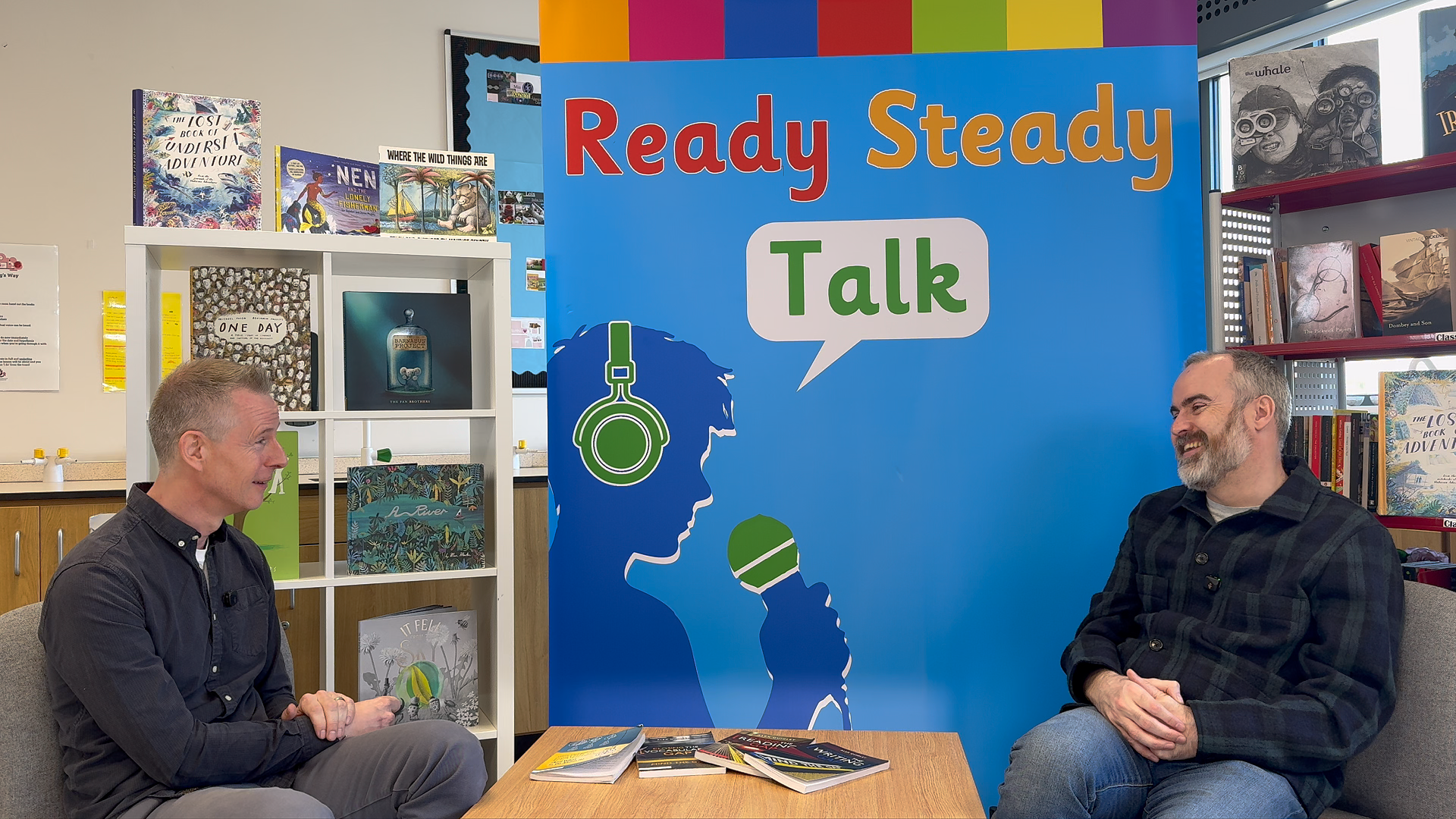
Ready Steady Talk: Alex Quigley - “Unlocking the Struggling Writer”

Unlocking the Struggling Writer: Key Lessons from Alex Quigley
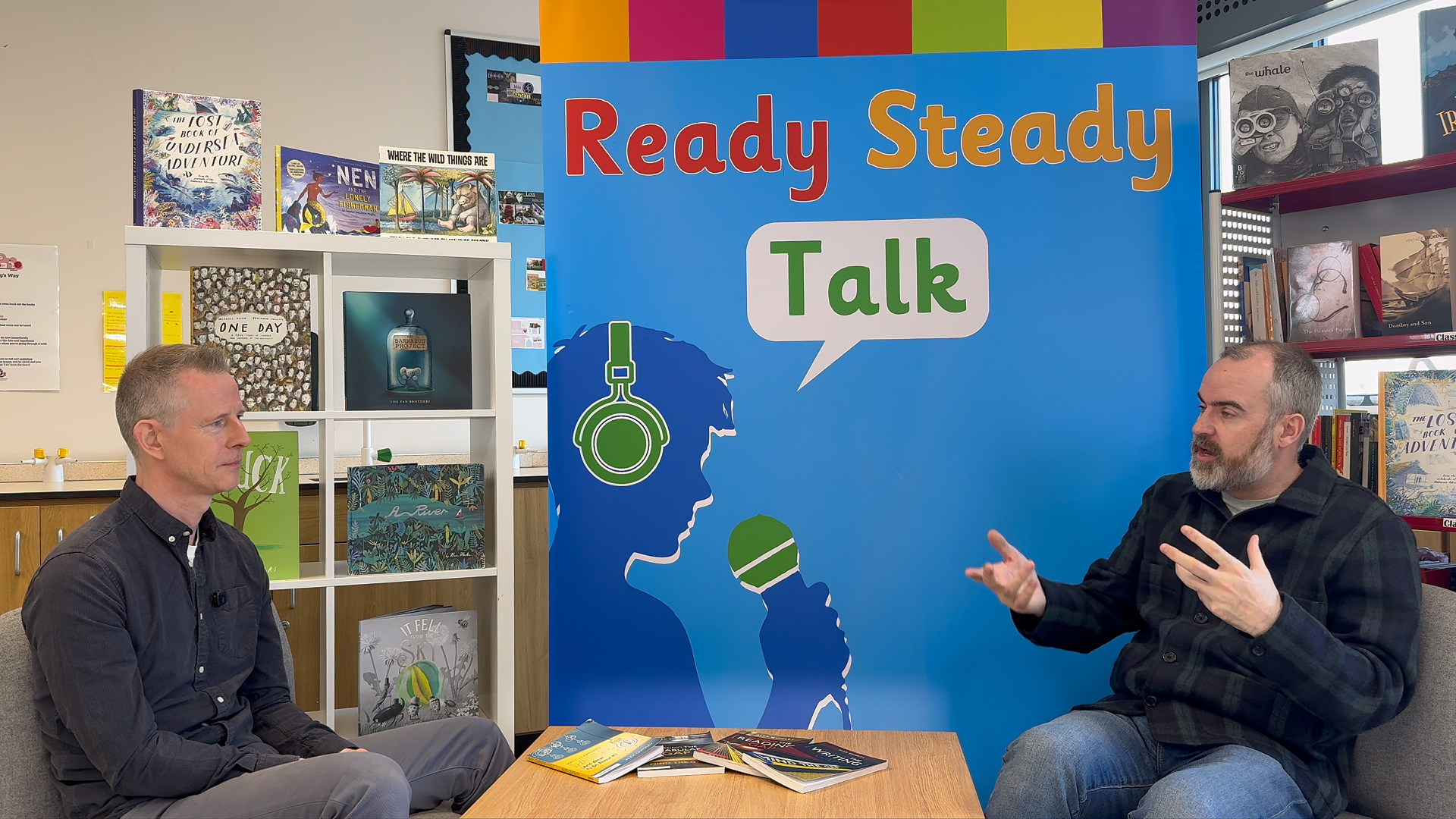
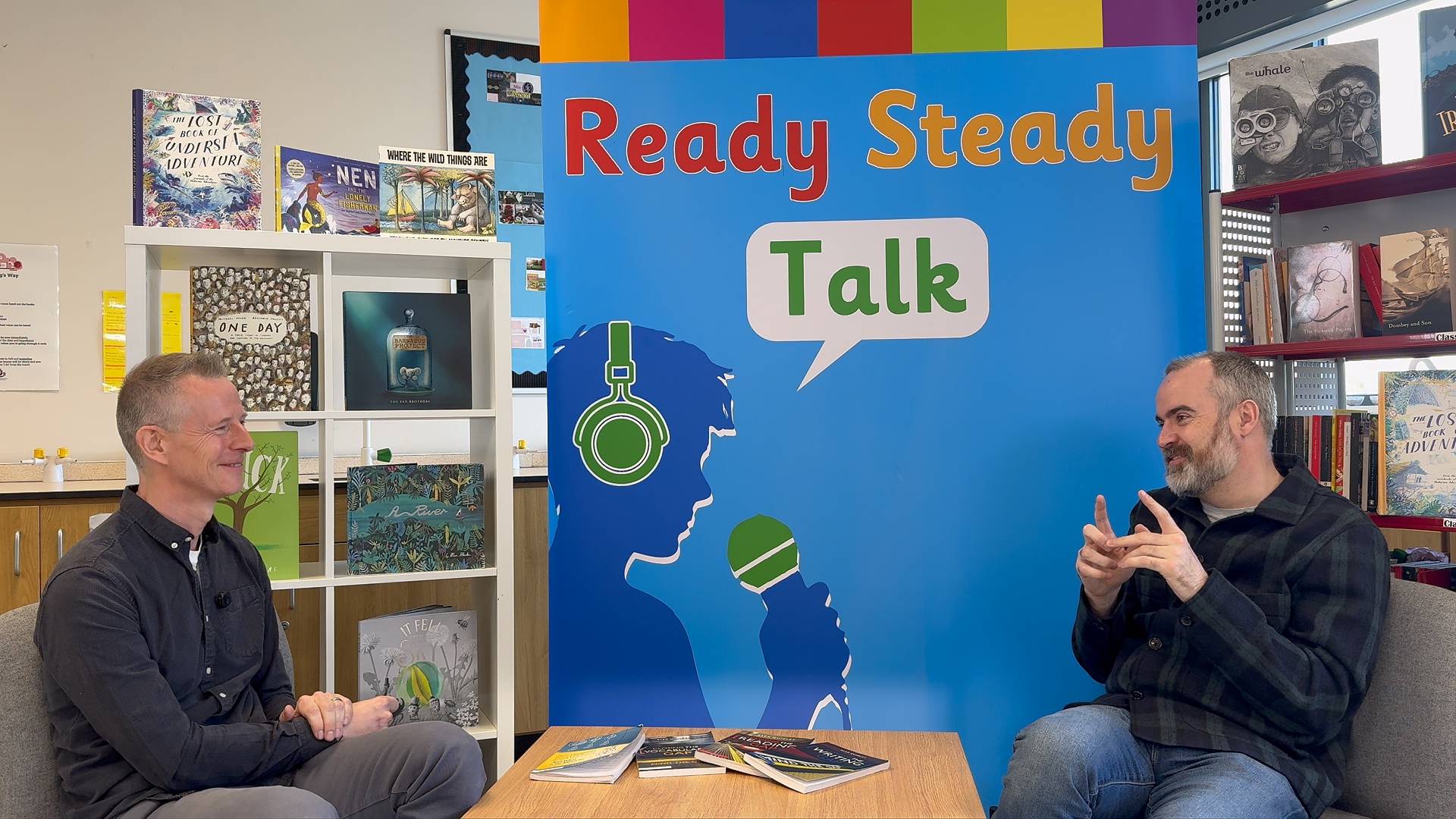
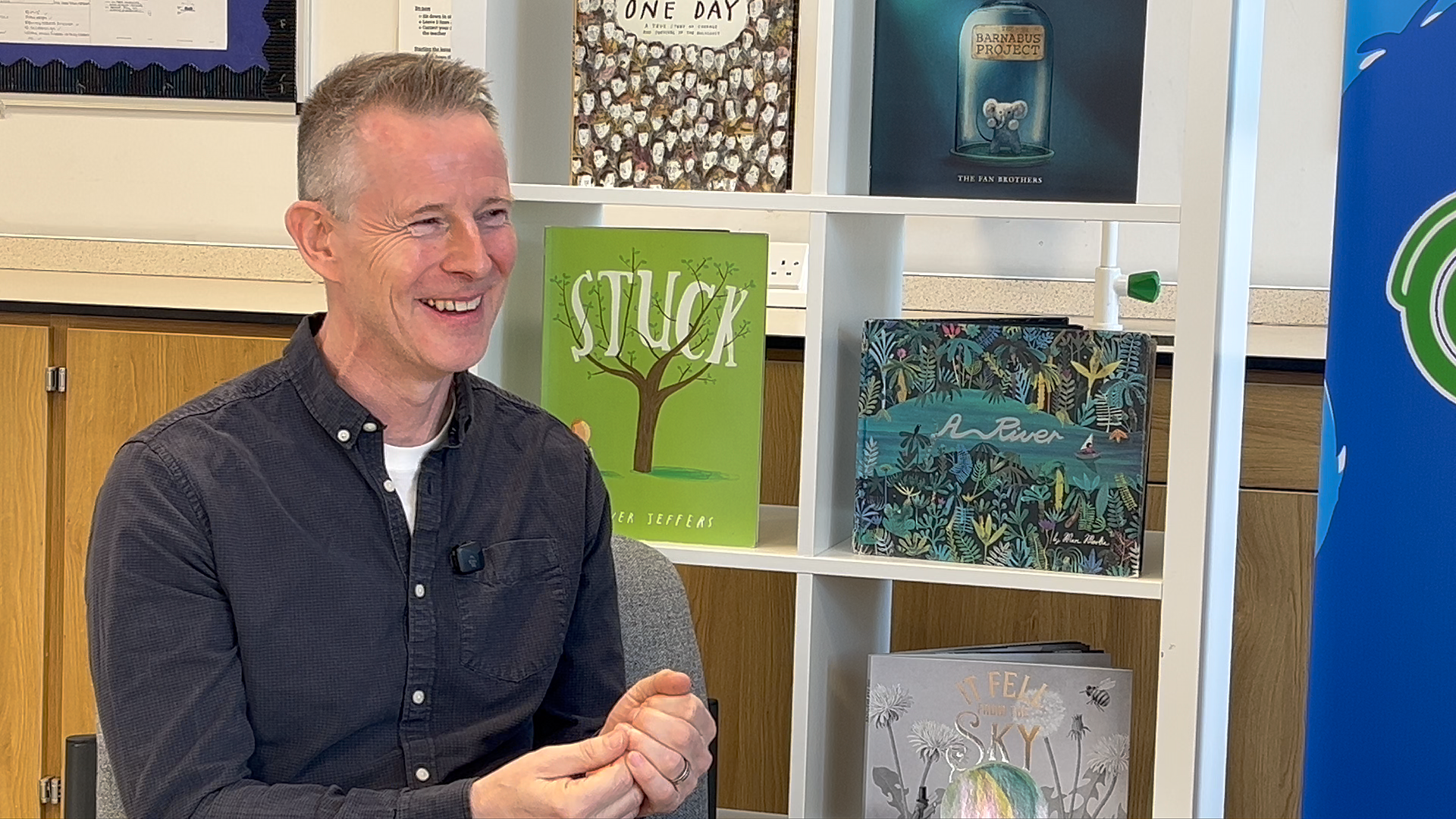
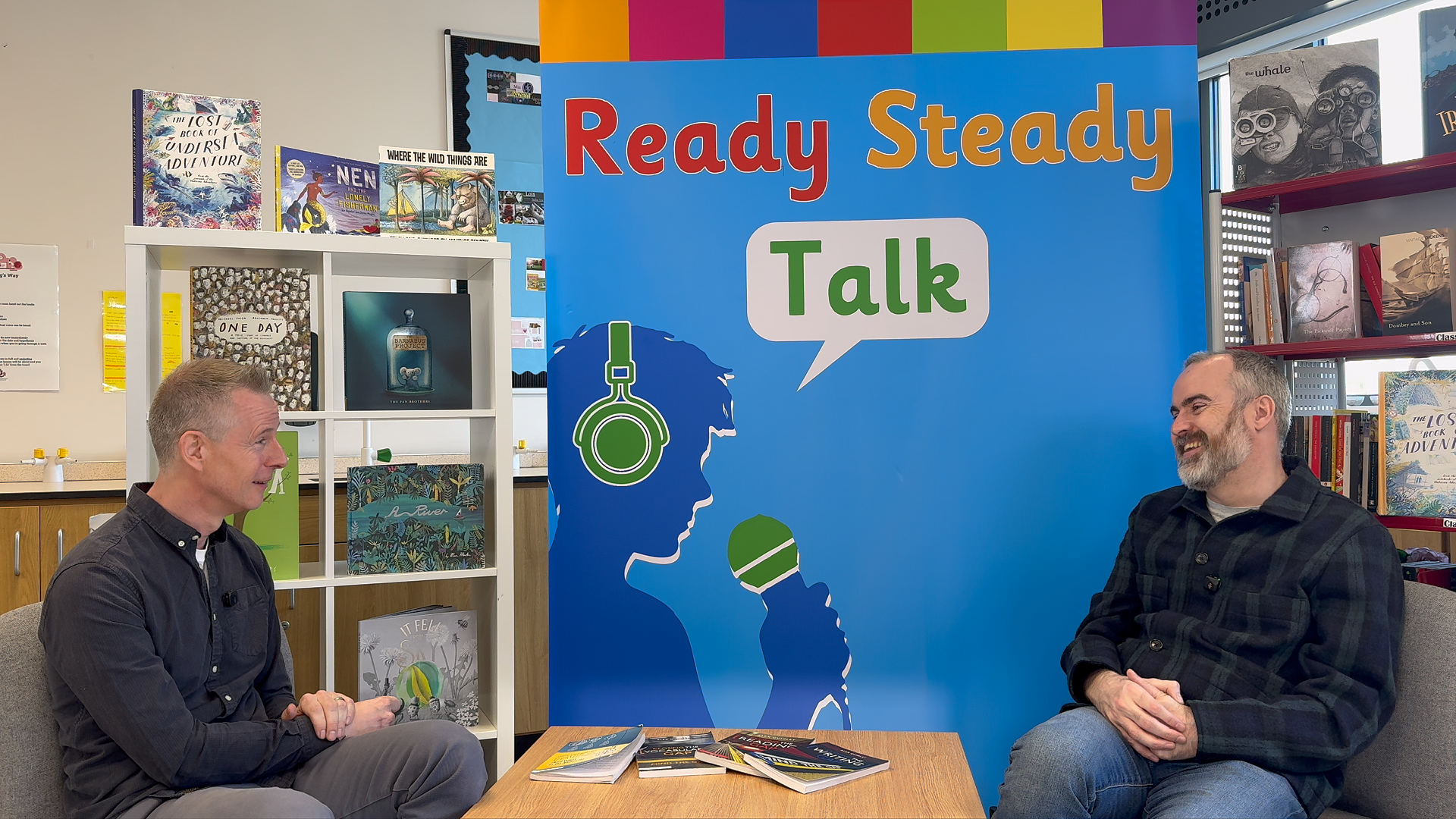
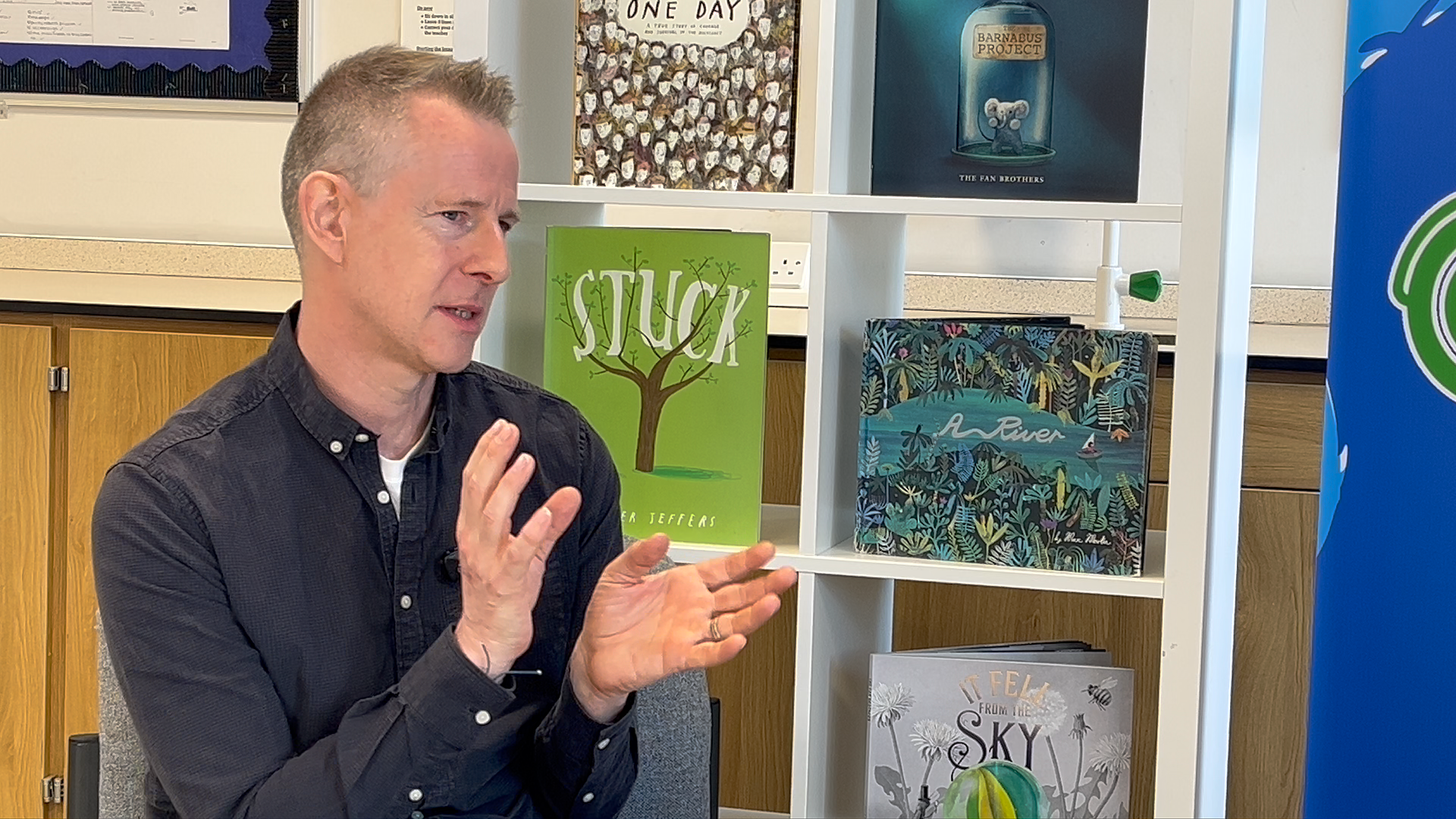
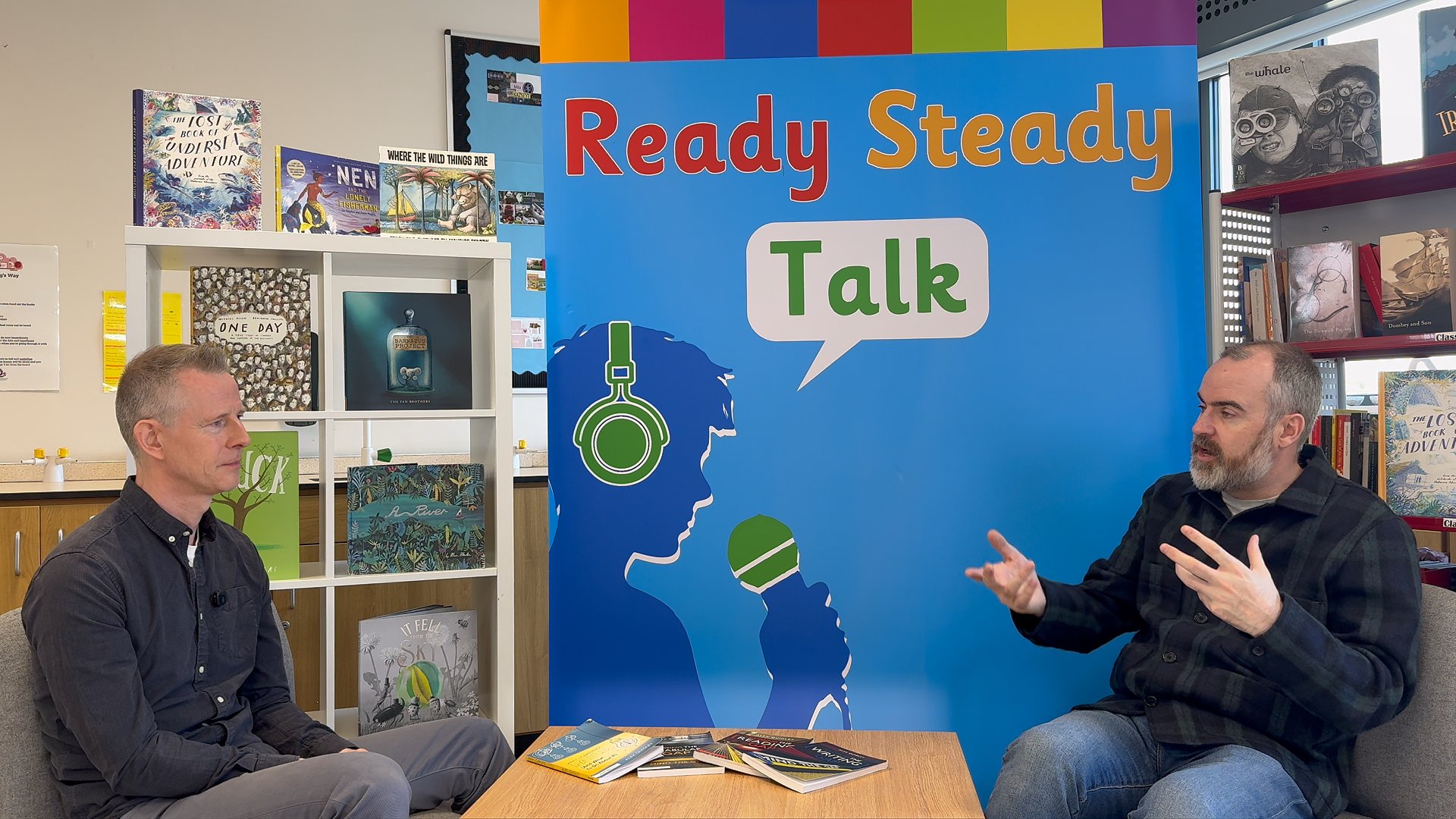
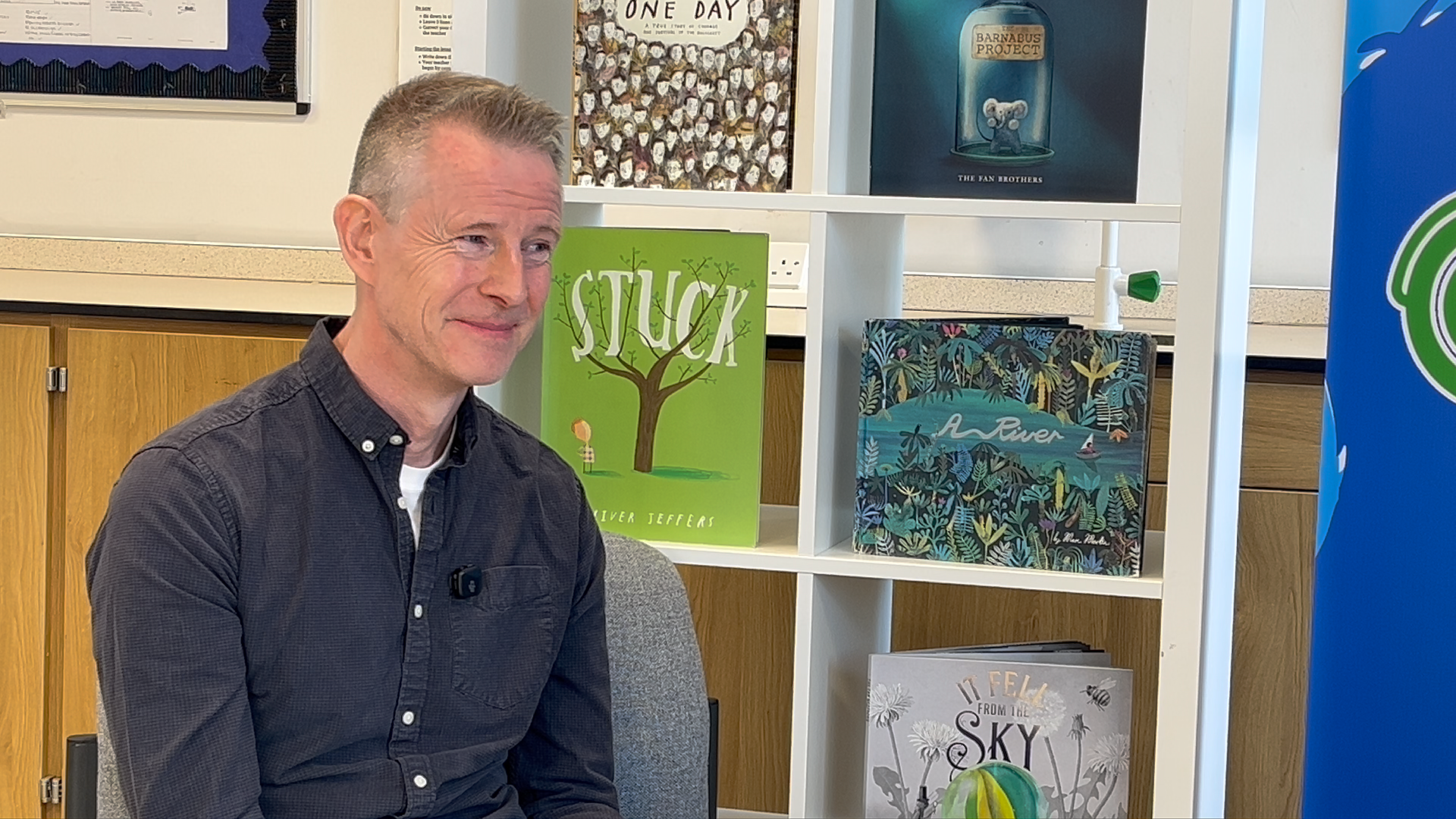
Writing remains one of the most challenging aspects of learning for many children. While some pupils appear to develop confidence and fluency naturally, others find writing frustrating, overwhelming and difficult to master. In the first episode of Ready Steady Talk, "Unlocking the Struggling Writer", literacy expert Alex Quigley joined Gareth on the podcast to explore why writing presents such a challenge and what teachers can do to support pupils who struggle to master foundational knowledge.
Drawing on his publications Closing the Writing Gap and Why Learning Fails, Quigley offers a practical and evidence-informed perspective on the barriers that hold young writers back. Throughout the conversation, he emphasises that there up to 8 difficulties that children have which emerge from complex interaction between foundational knowledge, motivation and self-belief.




Writing Is More Complex Than We Think
One of the central themes of the discussion is the tendency for adults to underestimate the complexity of writing. Quigley compares writing to learning to drive a car. Experienced drivers no longer consciously think about changing gears, checking mirrors or signalling. Likewise, experienced writers no longer have to devote significant attention to spelling, handwriting, sentence construction or vocabulary choices.
For children, however, all of these processes are happening simultaneously. They must generate ideas, organise their thoughts, select vocabulary, construct sentences, remember spelling patterns and physically record their writing on the page. The demands on working memory are immense.
This helps explain why some pupils who can articulate sophisticated ideas verbally struggle to communicate those same ideas in writing. The challenge is not necessarily a lack of understanding; it is often the sheer cognitive load involved in coordinating so many skills at once.
Understanding the Struggling Writer
A particularly powerful part of the podcast is Quigley's reflection on a former pupil he calls ‘Daniel’. Like many struggling writers, Daniel worked incredibly hard and made progress throughout his education. Yet despite his effort, writing remained difficult.
Daniel's story highlights an important lesson for teachers: pupils can reach secondary school and beyond with gaps in writing knowledge that have never been fully addressed. Quigley argues that we sometimes assume older pupils understand how sentences work when, in reality, they still need explicit teaching and support.
This example serves as a reminder that struggling writers are found in every classroom. Their difficulties may present differently, but many face similar barriers around sentence construction, vocabulary and the translation of ideas into written language.
The Foundations Matter
Throughout the discussion, Quigley returns repeatedly to the importance of foundational knowledge for writing transcription. Handwriting, spelling and vocabulary are not simply technical details; they are the building blocks that allow pupils to focus on higher-order aspects of writing.
When basic processes become automatic, pupils have more cognitive capacity available for planning, organising and refining their ideas (Executive Function). Conversely, when foundational skills remain insecure, writing can become slow, effortful and discouraging.
However, Quigley is careful to point out that writing is about more than transcription. Effective writing also depends on executive functions such as planning, monitoring, editing and revising. Successful writers continually make decisions about what they have written and what they should write next. For struggling writers, support needs to address both areas.
Reading, Knowledge and Writing
Another key message from the podcast is the relationship between reading and writing. Quigley notes that strong writers are almost always strong readers because reading provides the vocabulary, knowledge and language structures that writing depends upon.
Before pupils can write effectively, they need something meaningful to write about. This is why activating prior knowledge and building background knowledge is so important. Teachers cannot assume that all pupils bring the same experiences or understanding to a writing task. So, whether writing a Gothic story in Secondary School, or a historical recount, pupils benefit when teachers deliberately develop knowledge, discuss ideas and create opportunities for talk before writing begins.
Motivation and Writing Identity
Perhaps one of the most important themes explored is motivation. Many pupils develop a negative perception of themselves as writers. If writing feels difficult, they may begin to believe that they simply are not capable of succeeding.
Quigley argues that schools must actively help pupils develop positive writing identities. Rich reading experiences, meaningful writing opportunities and regular experiences of success all contribute to this process. Importantly, confidence cannot be built through praise alone. Pupils need authentic success. They need opportunities to see that their writing can improve and that effort leads to progress. Small elements of choice within writing tasks can also help increase engagement and ownership, making writing feel more personal and purposeful.
Creating Classrooms Where Mistakes Are Welcome
One of the most memorable ideas from the episode is the concept of psychological safety. Quigley argues that pupils learn best when they feel safe to make mistakes. Too often, children view mistakes as evidence of failure rather than opportunities for growth. Yet learning itself depends on getting things wrong, receiving feedback and improving over time.
Teachers can foster psychological safety by normalising error, discussing misconceptions openly and celebrating improvement. When pupils feel safe to take risks, they become more willing to attempt ambitious writing and engage with feedback.
Why Sentences Deserve More Attention
A major practical takeaway from the podcast is the importance of sentence-level instruction. Rather than focusing exclusively on extended pieces of writing, Quigley advocates spending more time helping pupils manipulate and improve individual sentences. He highlights approaches such as sentence combining, sentence expansion, sentence shrinking and sentence signposting. These activities allow pupils to practise key writing skills in manageable ways without becoming overwhelmed. Strong sentences create the foundation for strong paragraphs, and strong paragraphs create the foundation for strong writing.
Final Thoughts
Unlocking the Struggling Writer offers a thoughtful and reassuring message for teachers. Writing is difficult because it is complex. There is no single intervention, programme or strategy that will transform every struggling writer overnight.
Instead, progress comes from understanding the multiple components of writing, building strong foundations, developing knowledge, fostering motivation and creating classroom environments where pupils feel safe to learn through mistakes.
As Alex Quigley reminds us throughout the podcast, struggling writers do not need lower expectations. They need carefully designed support, explicit teaching and opportunities to experience success. When those conditions are in place, more pupils can begin to see themselves not as struggling writers, but simply as writers.






Read about our other blogs: