Book FREE Info Webinar -
Book FREE Info Webinar -

Take a Closer Look at Ready Steady Phonics:
Explore our brochure to find out how Ready Steady Phonics delivers a validated phonics scheme for UK schools. Inside, you will discover how the programme offers fully resourced lessons, detailed guidance for teachers, and engaging decodable phonics books that are matched exactly to children’s phonic knowledge. You will also find information about QR-linked texts for home reading, daily lesson structure, and support for EAL and SEND learners.
Whether you are a MAT leader or school leader, this primary phonics programme provides everything you need to ensure consistent, high-quality phonics teaching across EYFS and KS1.


A Primary Phonics Programme with Fully Decodable Texts
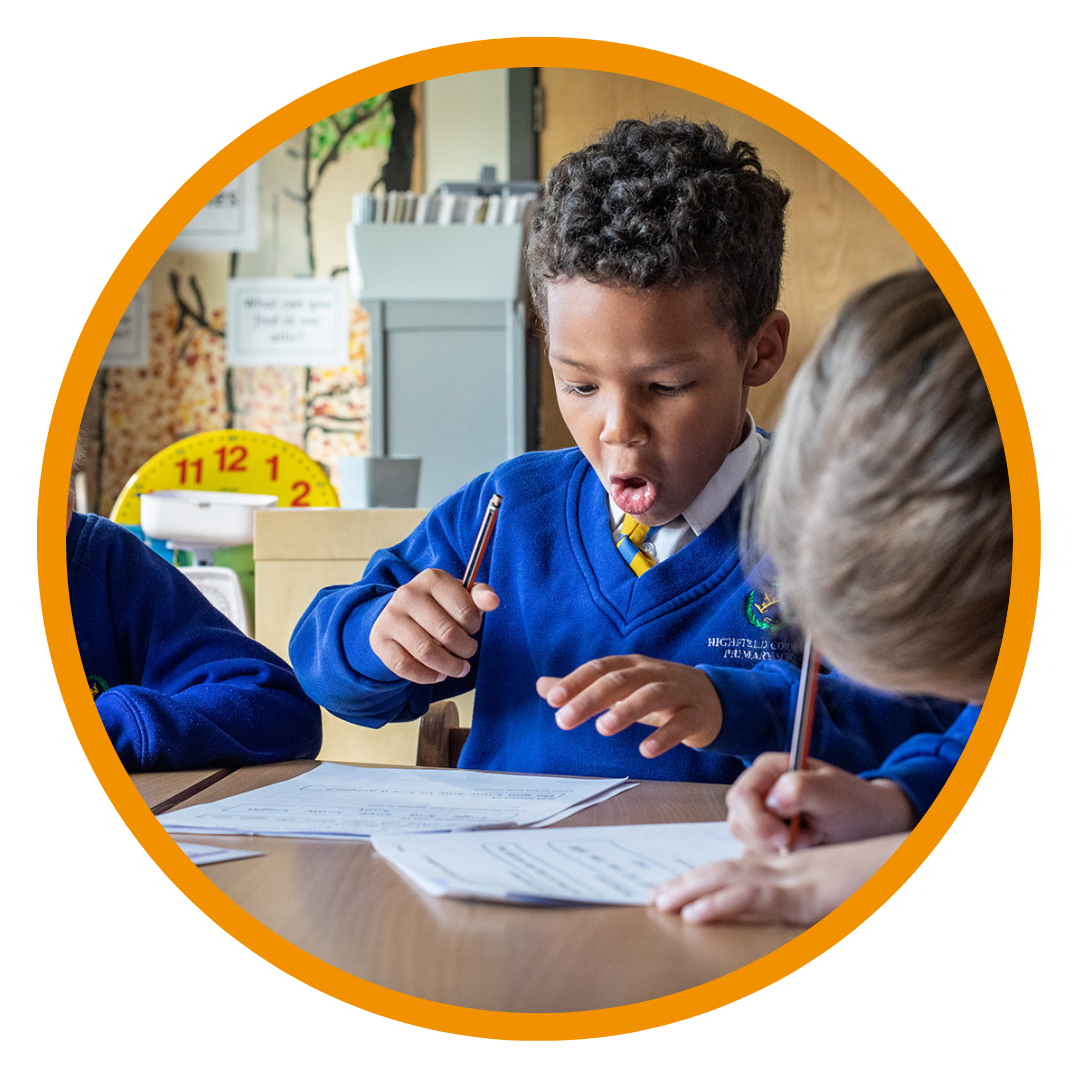
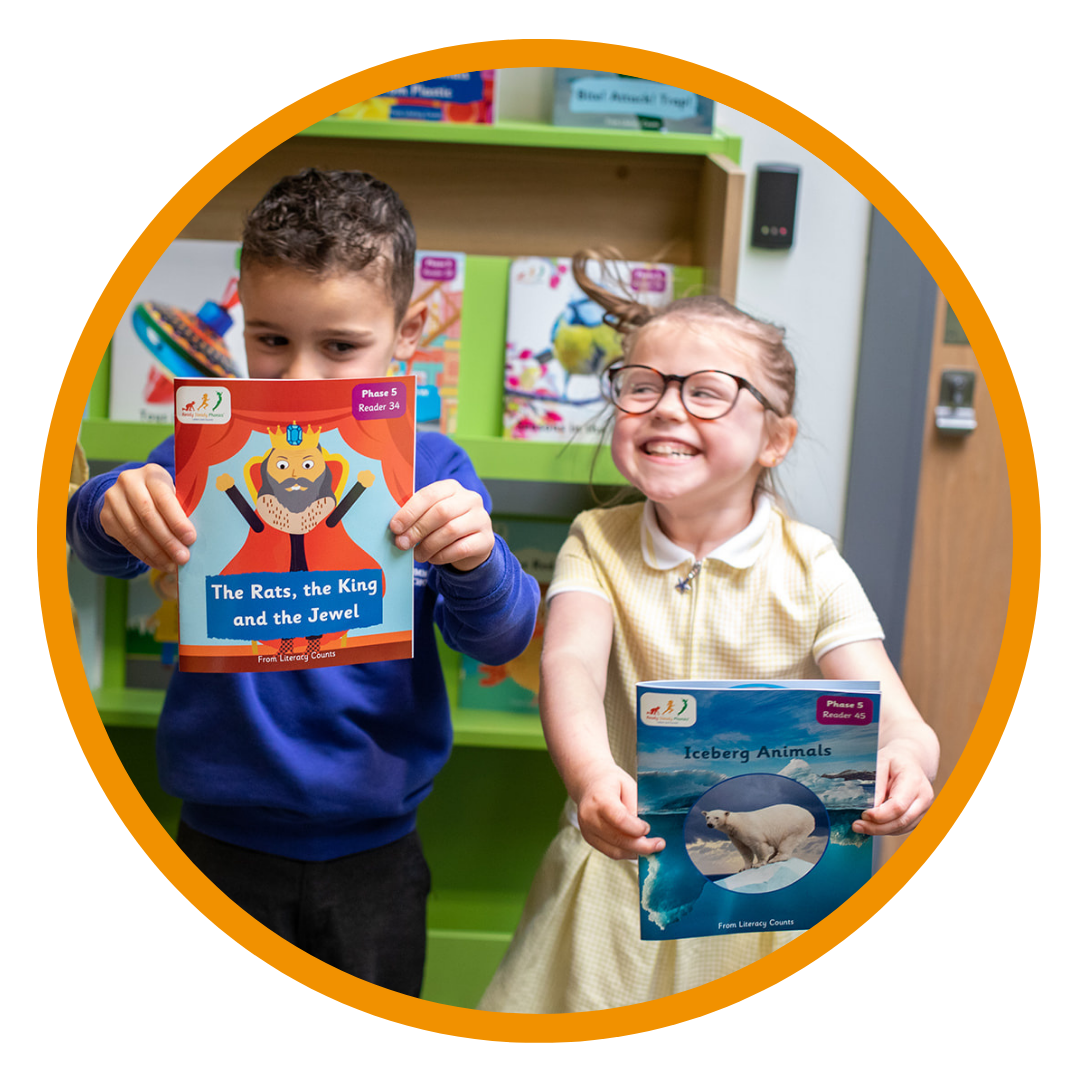
This primary phonics programme provides a complete suite of resources to teach, practise and apply phonics knowledge. Children access high-quality, decodable phonics books that are perfectly matched to each phase of the programme, ensuring confidence and success at every stage of early reading development.
Teachers are supported with step-by-step planning, visual aids, QR-linked home reading materials and ongoing assessment. Ready Steady Phonics ensures that all children — including those with SEND or EAL — are given the tools to become fluent, independent readers from the very start.
Get in touch for sample access, training details & bespoke costings for your school!
Click here to connect with us.
A Validated Systematic Synthetic Phonics Programme
Ready Steady Phonics is a validated phonics scheme for UK primary schools, designed to give children a strong start in early reading. As a systematic synthetic phonics programme, it builds upon and expands the original Letters and Sounds with a carefully sequenced structure that matches pupils’ growing phonic knowledge and skills.
The programme includes fully decodable books, daily lessons, interactive activities and detailed teacher guidance — everything needed to ensure fidelity and consistency in phonics teaching across Reception and KS1.
Book 1:1 call ~
Book 1:1 call ~

Ready Steady Phonics is an online resource with everything teachers and leaders need to implement a sequenced and systematic phonics curriculum. All available at the click of a button!

Fully Resourced


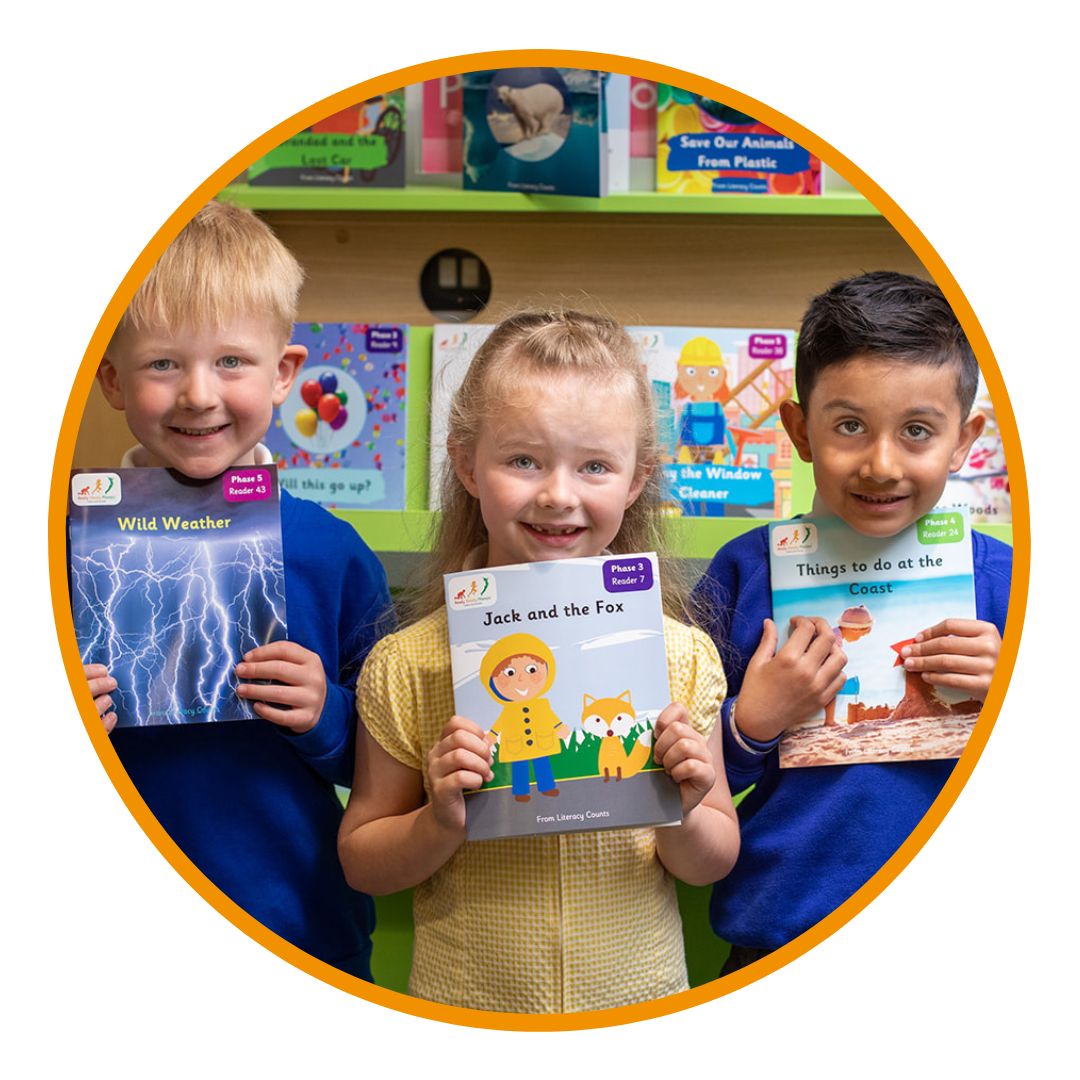
Physical Decodables
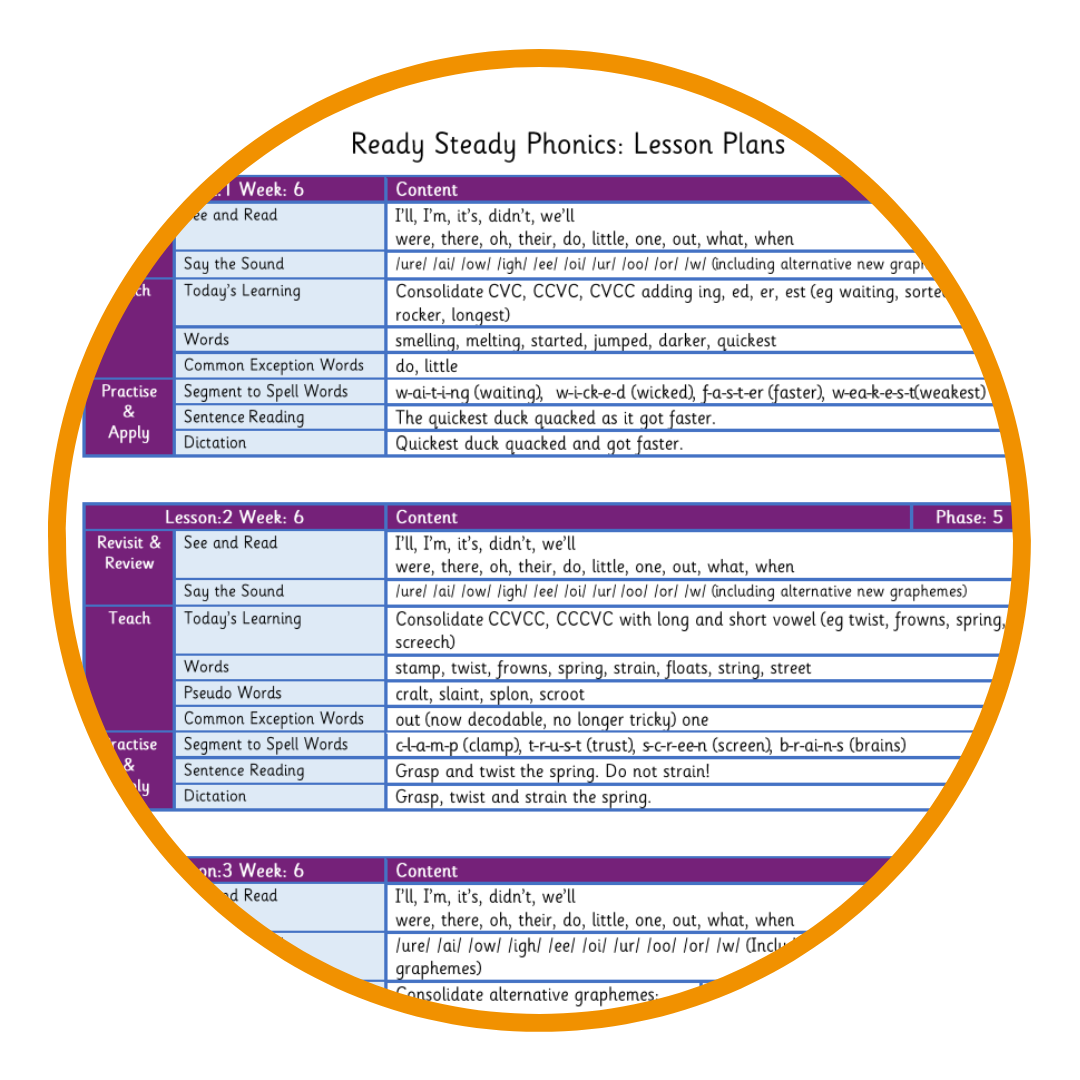
Daily Lesson Plans
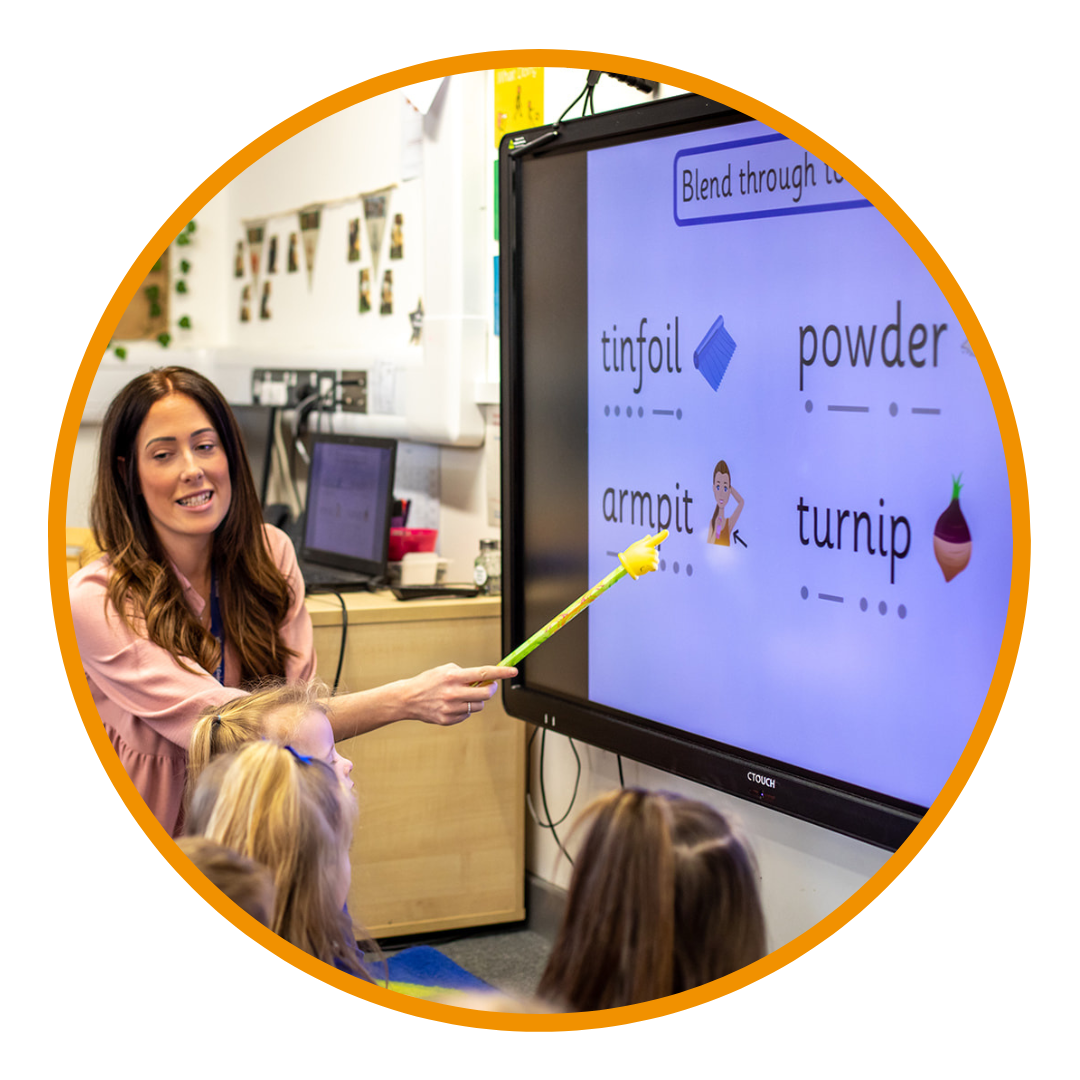
IWB Resources
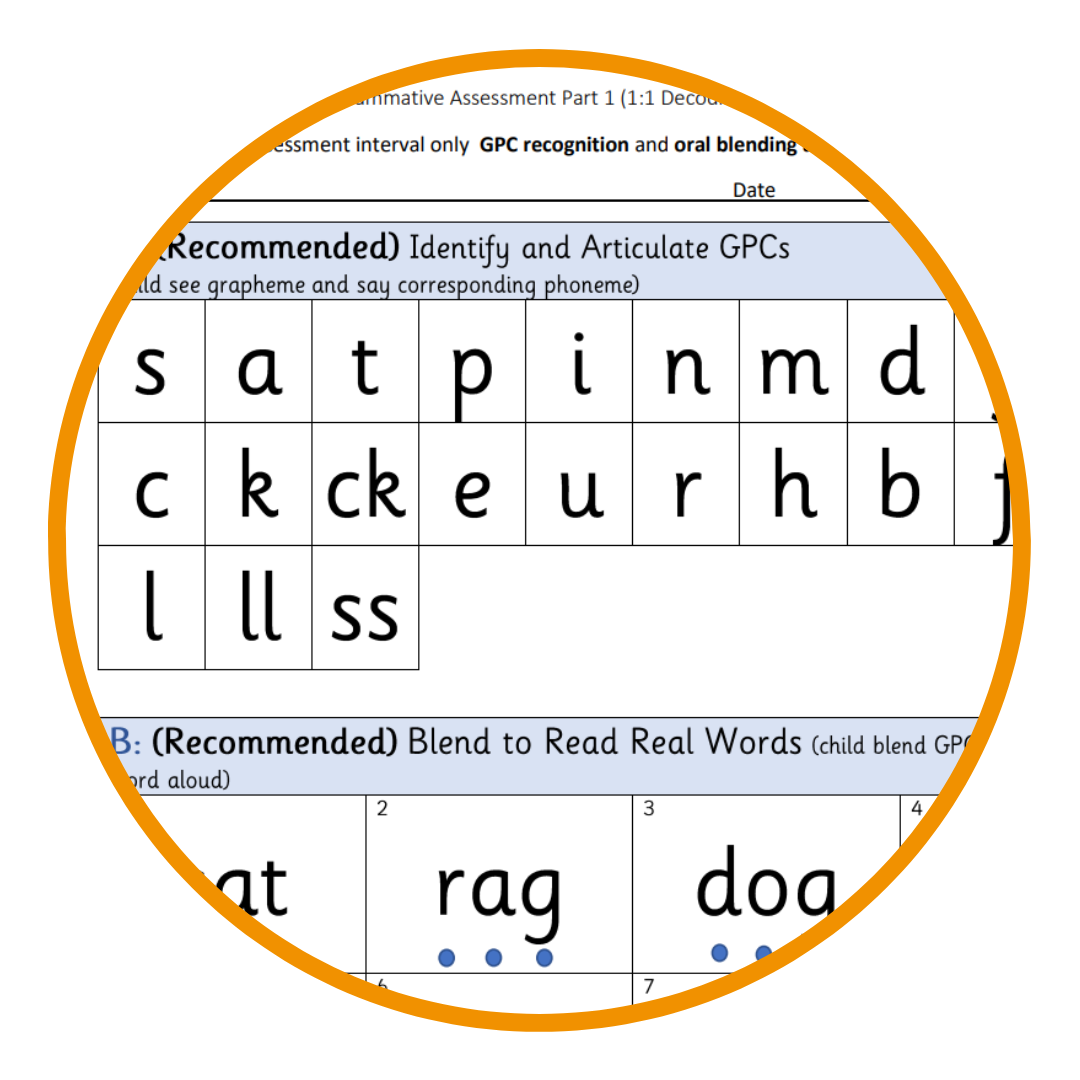
Assessment Resources
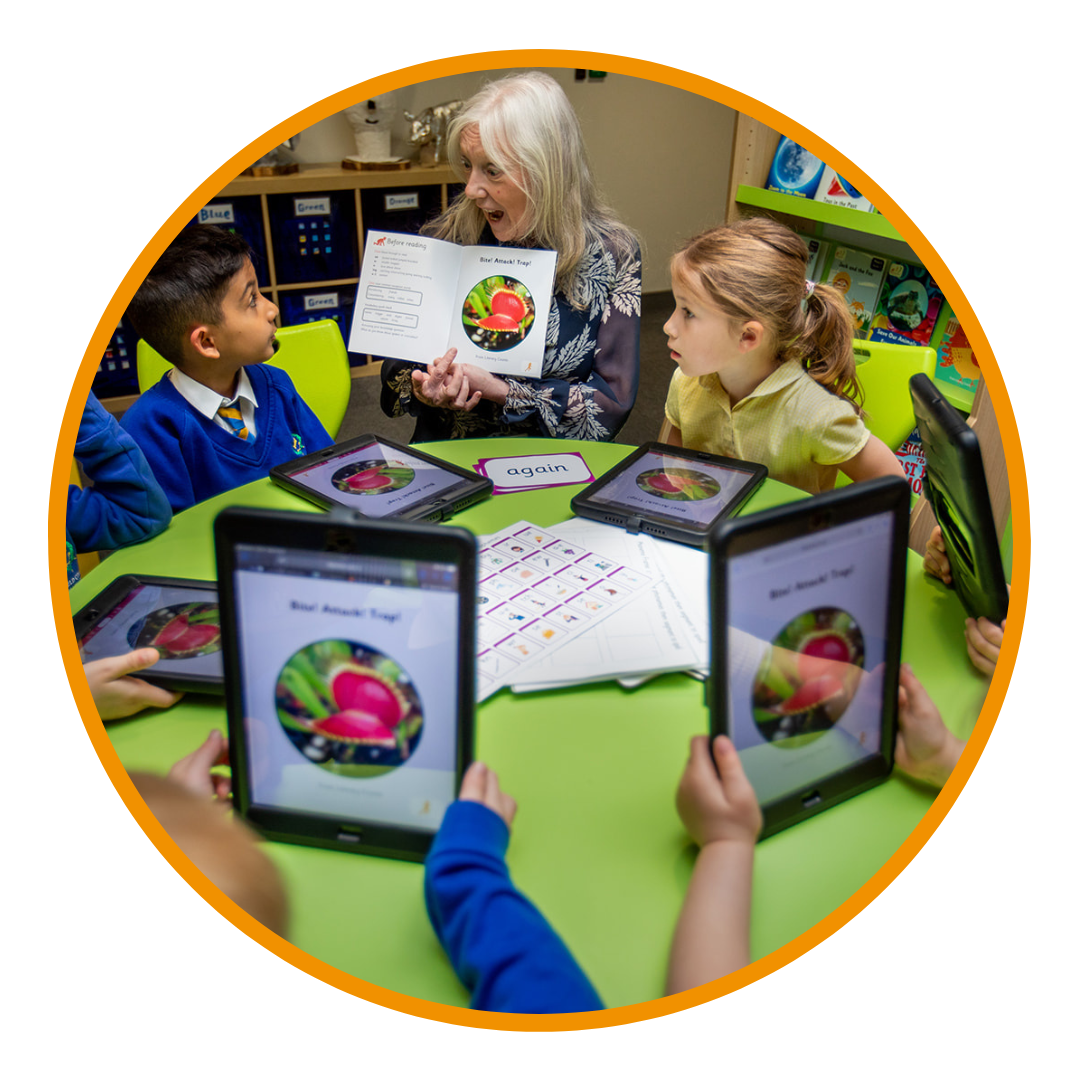
Digital Decodables
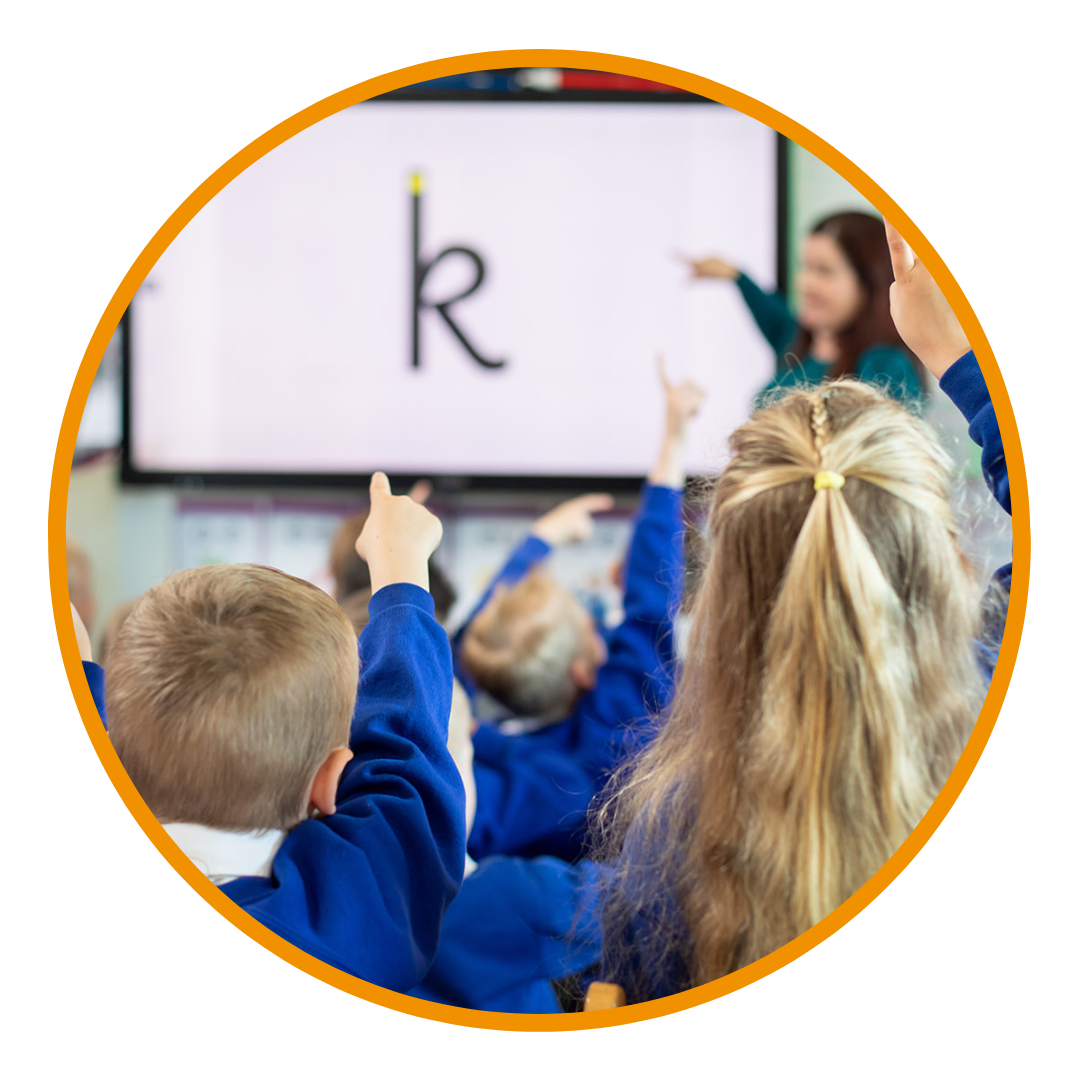
Letter Formation
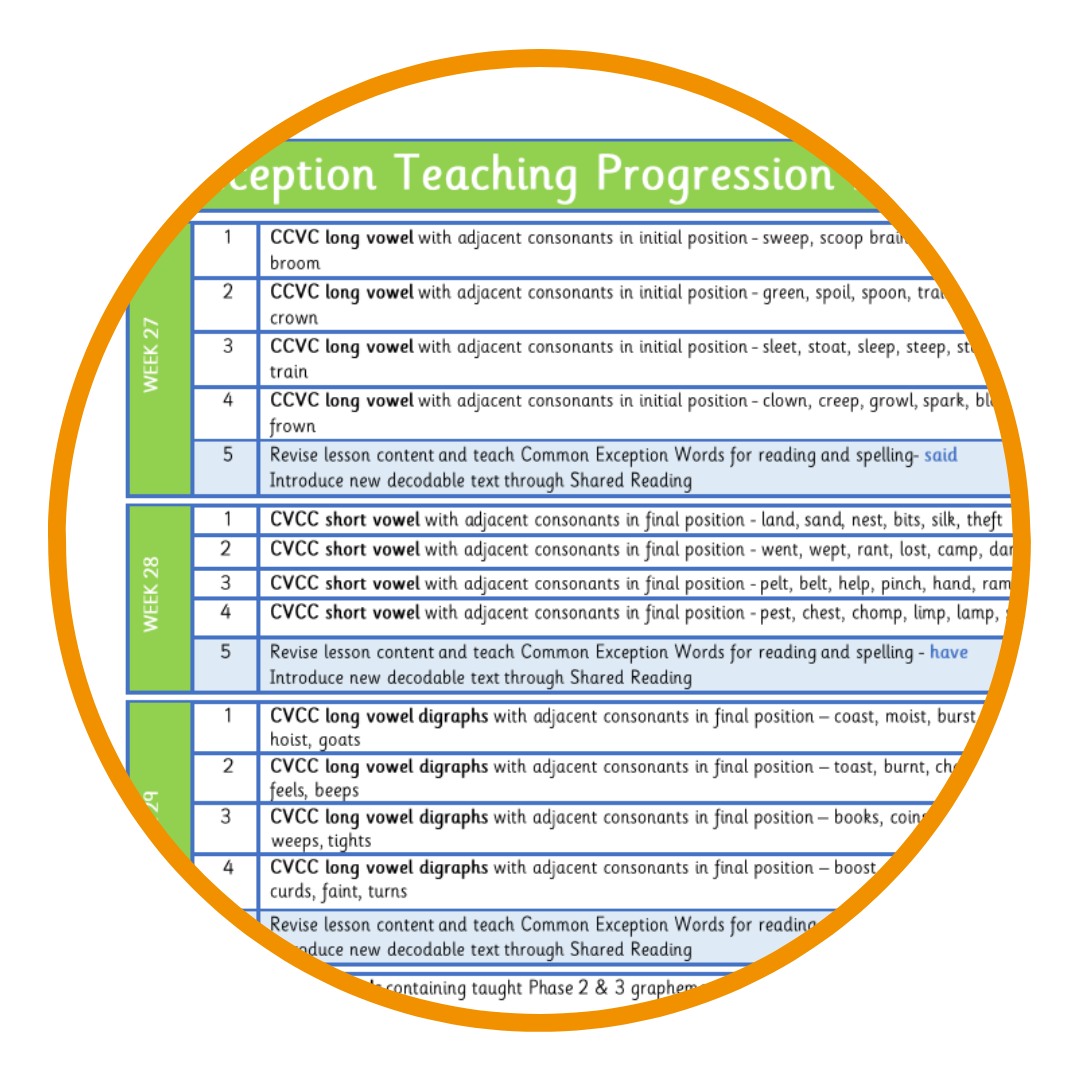
Progression Documents

Weekly Workbooks
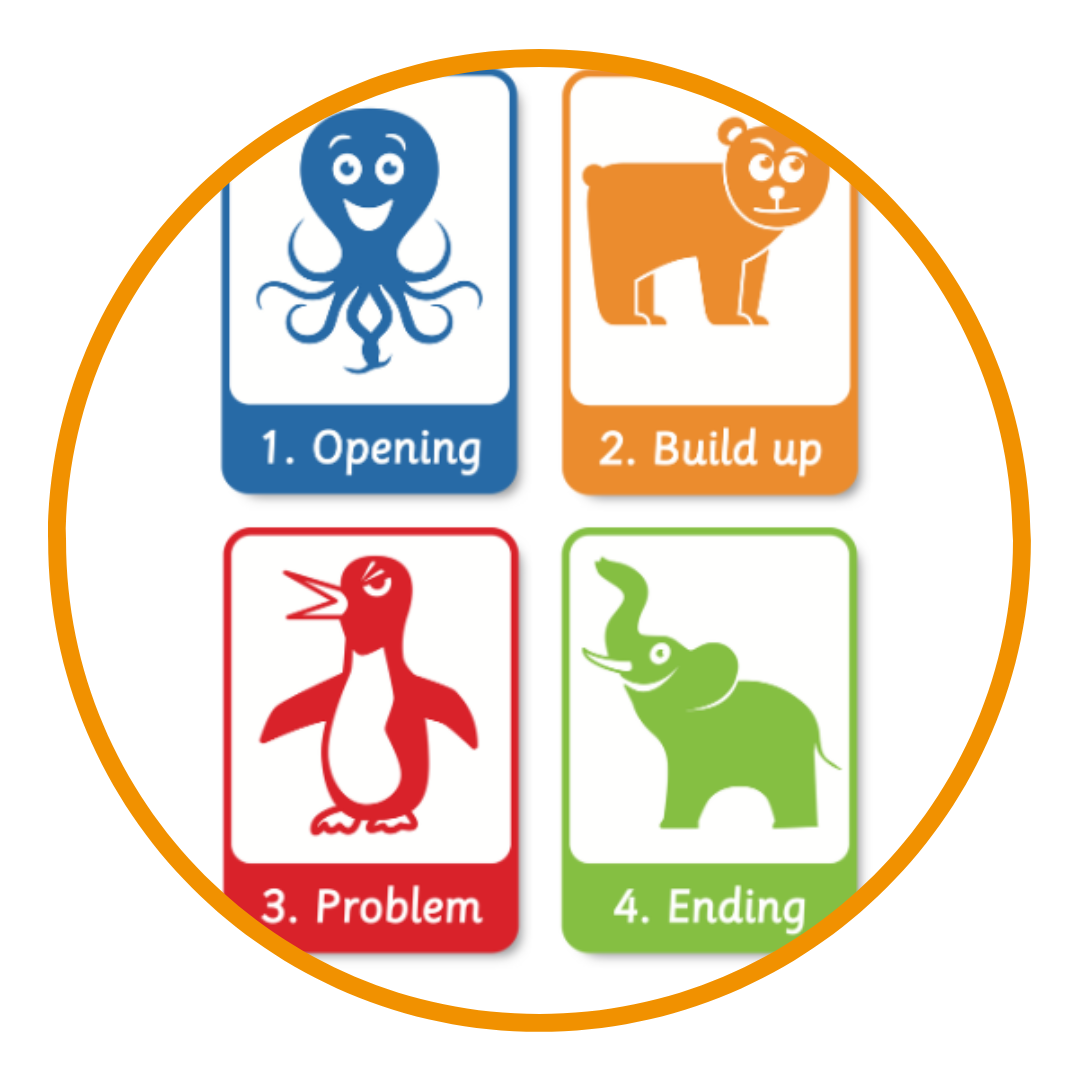
EYFS Story Friends
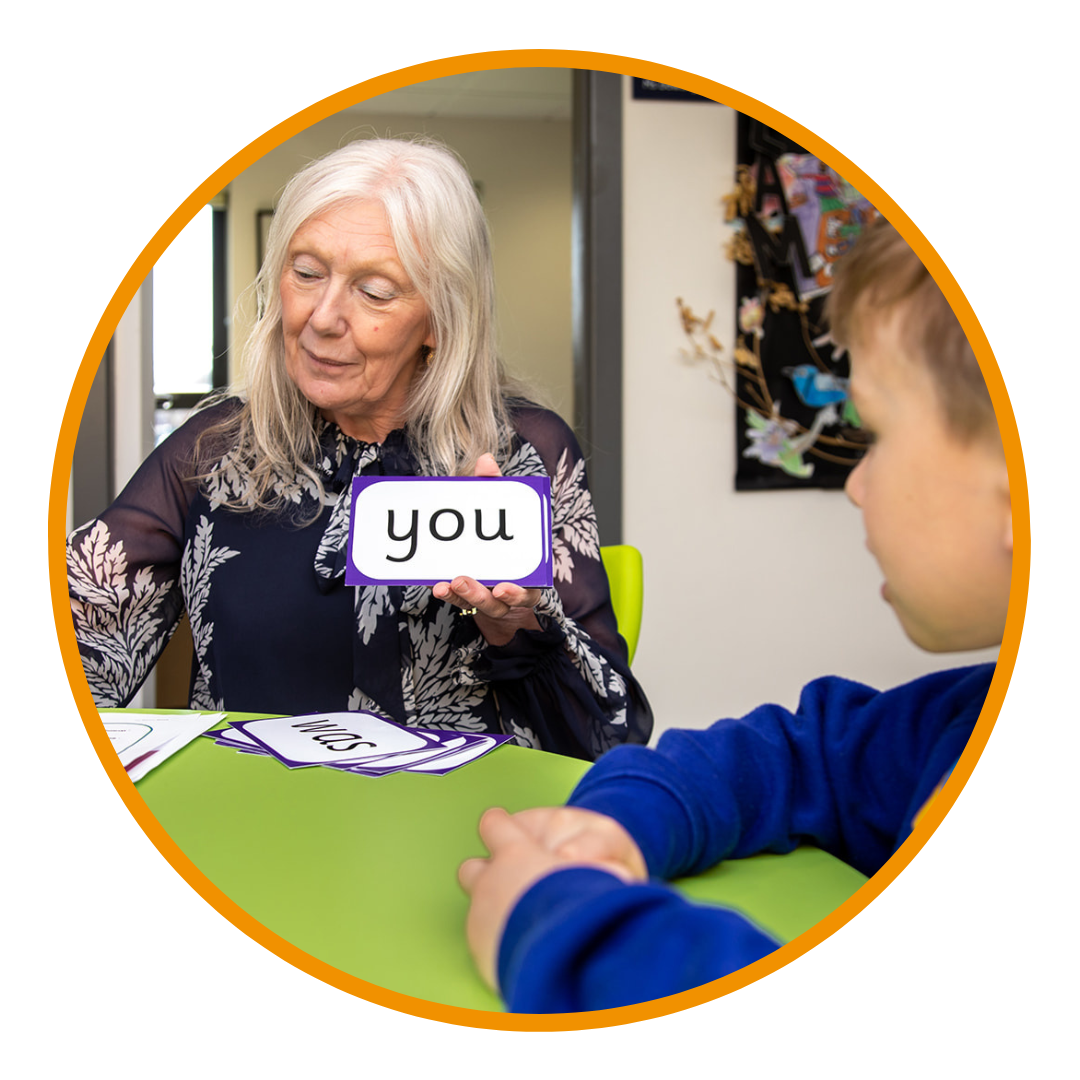
Intervention Support
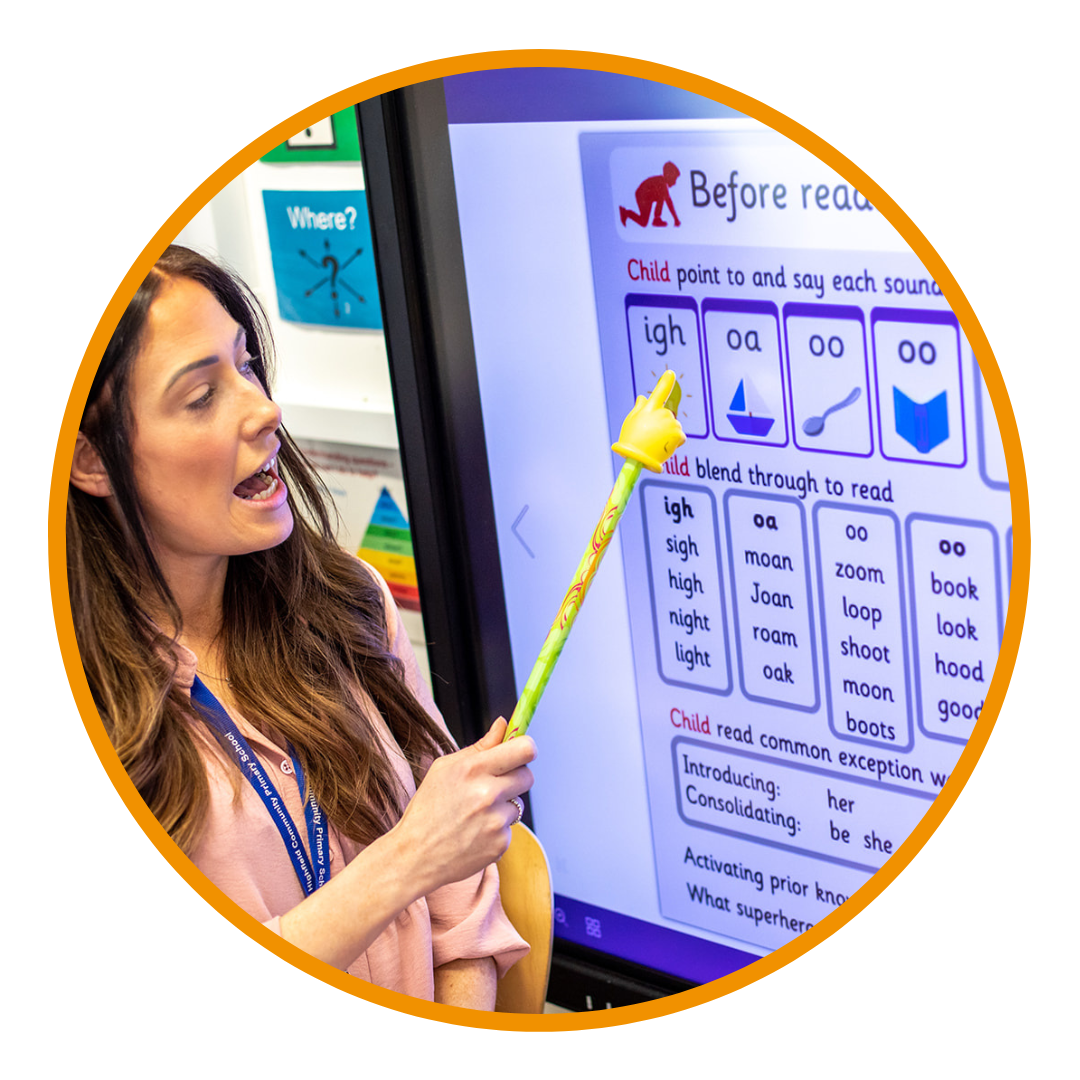
Decodables on IWB

Online Training Modules
…and much more!
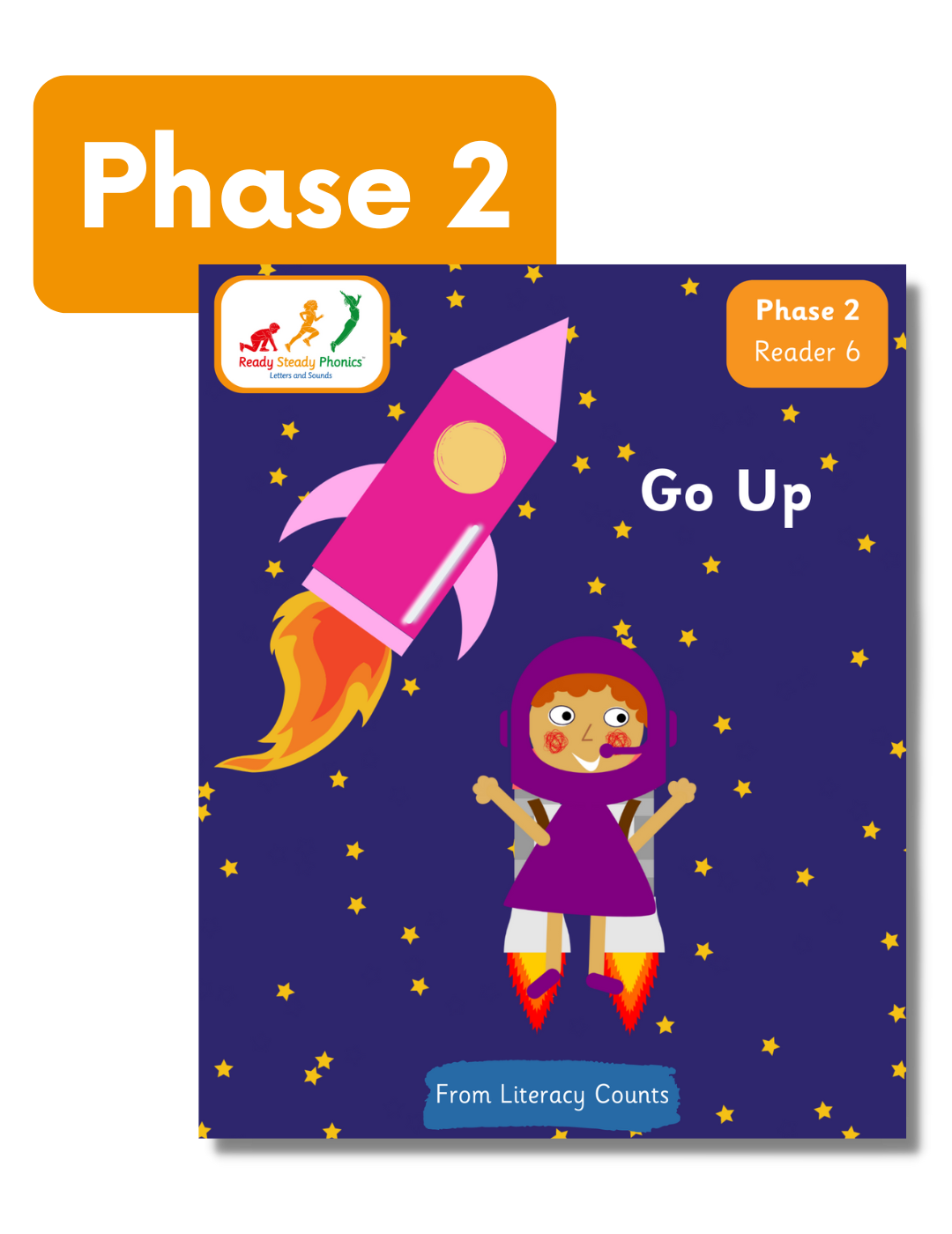
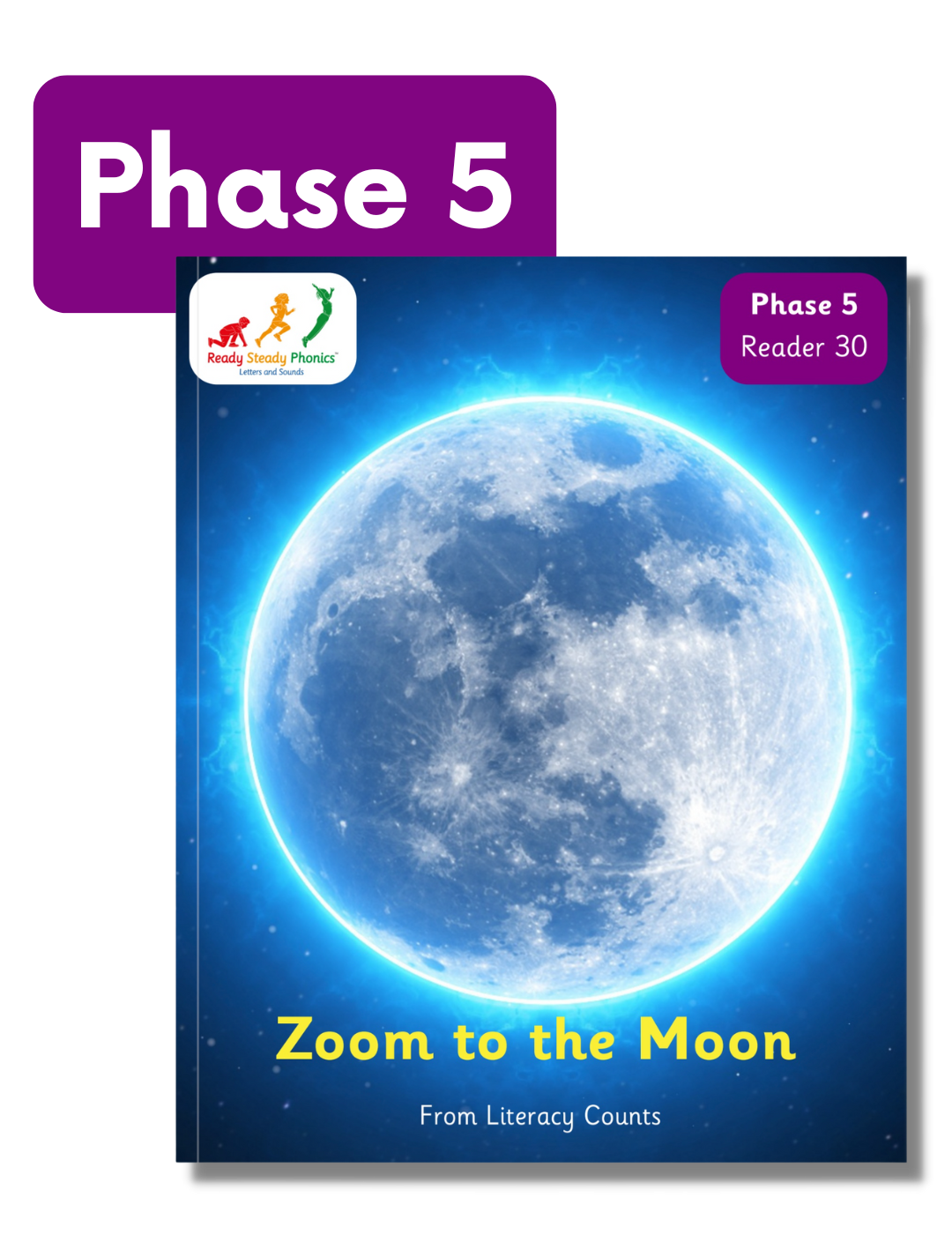
Have a look at some of our Decodable Texts!




What people are saying about
Ready Steady Phonics:
“Ready Steady Phonics works because it is sequenced in a way that makes learning stick.”
-Sam Rutter, Head of School, Barnton Community Primary School & Nursery

“Ready Steady Phonics enables teachers to deliver high quality phonics learning.”
- Nicky Dowling, Headteacher, Highfield Community Primary School

“The fully decodable texts are not only engaging they also match exactly to the teaching progression - such a carefully thought out programme that ensures high outcomes for all.”
- Alison Lawson, Director of Education, Weaver Trust

“Robust assessment systems ensure that no child is left behind and that gaps are closed for those children that need it.”
-Emma Boyd, Barnton Community Primary School & Nursery

Case Studies
-
School Context
Barnton is a larger than average size primary school with 484 pupils on role. The proportion of pupils known to be eligible for free school meals is above average. The very large majority of pupils are of White British heritage and the proportion of pupils from minority ethnic backgrounds is average, as is the proportion of pupils for whom English is an additional language. The proportion of pupils supported by school action plus or with an EHCP is above average. This is partly because the school has Primary Resource Provision for children with moderate and severe learning difficulties. Children typically enter Reception well below average and usually leave Barnton reaching, or exceeding, age related expectations.
1. How has the Ready Steady Phonics professional development supported practitioners’ phonic subject skills and Knowledge?
There has been a strong impact through the quality CPD as part of the Ready Steady training. All staff from leadership through to our TAs feel confident and competent in delivering a high quality phonics diet for our children. All staff have a sound understanding of how we teach phonics and why we do it using the progression documentation that is part of the programme. Staff are adept at ensuring children overlearn and use effective pedagogies to ensure learning ‘sticks’ and children apply their learning in a variety of contexts.
2. How has Ready Steady Phonics professional development improved the Quality First Teaching of phonics at your school? (e.g., modelled sessions, online CPD face to face CPD)
Phonics lessons are now refined and ensure they are consistent across year group classes and phases. Staff use common ‘patter’ and children are able to feel familiar and confident in Phonics lessons due to the consistency and precision teaching being delivered.
3. What has been the impact on children attainment and progress?
Children in reception are on track to complete the ambitious progression laid out in the Ready Steady Phonics Progression document. Children are writing more, spelling more accurately and are more motivated to read. Children are seeing the relationship between the phonics lessons and how they can apply this knowledge to their reading and writing. Common Exception Words are consistently remembered and read more accurately across Reception & Year 1 than in previous years. In Year 1, this is also being demonstrated by application in their writing.
Ready Steady Phonics is impacting positively across KS1 and EYFS. From ongoing assessments, it is noted that children are remembering more and applying phonics more consistently. Something that is remarkable given the impact of the global pandemic on children’s outcomes. In Year 1, we assessed that 33% of children were on track in Autumn 1 2021. In Spring 2 2022, we have assessed that 85% of children are now on track. This is due to not only the consistency of QFT but also the impact on the ‘Ready Steady Go: Keeping all children on track’ sessions. Formative assessment in phonics has now come to the forefront of staff’s minds due to construction of the workbooks. This is leading to fluid and supportive groups where staff are pinpointing children’s misconceptions and addressing at the point of learning or soon after in Ready Steady Go additional sessions.
In Reception particularly, parents are accessing the decodable books at home and have said they are engaging their children in reading more due to the interesting nature of the books and their familiarity to the children.
4. In your role as a leader, how has Ready Steady Phonics helped you ensure fidelity to the programme and high quality of teaching and learning?
Ready Steady Phonics is very explicit and highly structured. It is organised in such a way that ensures teachers are making learning cumulative to ensure that it sticks. This structure also helps maintain the momentum and pace of lessons across the week, across the term and across the year. As a leadership team, this has given us the confidence in knowing that Phonics is being taught to a high level in every classroom and children are consistently making good progress. The rigor of the Ready Steady Go part of the programme ensures that, as a leadership team, we know children are being supported to keep up in their Phonics learning.
5. How has the Ready Steady Go (Keeping children on track) enabled those children that fall in the bottom 20% to close gaps in attainment?
The Ready Steady Go element of the programme has ensured that all staff, including TAs, are able to use formative assessment to quickly identify those children at risk of falling being and put additional support in place to ensure misconceptions are addressed. This part of the programme has been instrumental in narrowing the attainment gap. The children working below the expected standard in phonics has dramatically decreased and more children are now meeting age related expectations in reading and writing.
6. How do programme resources support children in their acquisition of phonics subject skills and knowledge?
IWB materials are very clear and help shape the lessons with strong visuals that engage the children whilst keeping the focus on the learning. The flashcards and repeated phrase e.g., /sh/ as in shark, provide a scaffold between the grapheme and phoneme making it memorable. Children can often be heard using this patter in their independent learning. The handwriting patter has been particularly helpful in Reception with it being so simple and easy to remember whilst being focussed on the actual shape of the letter. The clarity of the teaching resources removes cognitive load and stimuli that would otherwise result in distractions and increased misconceptions.
7. How are children engaging with the fully decodable texts?
All stakeholders love the decodable readers that are part of Ready Steady Phonics programme. Ensuring the children have multiple encounters with the text, gradually increasing their independence, ensures their confidence in reading. With a range of information, rhyming and story books children are interested and motivated to read.
8. Literacy Counts (who developed Ready Steady Phonics) has been supporting your school for a number of years please indicate the percentage of children that pass the phonics screening check.
Year 1: 2021 (81%)
Year 1: 2022 (87%)
Year 1: 2023 (90%)
Year 1: 2024 (92%)9. Would you recommend the programme to other schools why / why not?
We absolutely would recommend Ready Steady Phonics to other schools. The scheme is clearly entrenched in pedagogical research and ensures outcomes for all children at all levels. The resources are of a high quality and the decodable readers link perfectly with the programme whilst still being engaging and promoting a love of reading and the teaching of comprehension.
10. How have the formative assessment footnotes and final page questions informed the identification of children’s needs for daily Ready Steady Go sessions?
The formative assessment footnotes have really raised the profile of formative assessments amongst teachers and TAs alike. The early identification of misconceptions and children who could potentially fall behind ensure that the Ready Steady Go sessions are purposeful and focussed on supporting the children who need it most.
11. How have the Assessment Interval summative assessments identified gaps in children’s phonic knowledge and skills?
Summative assessment ensures staff can gather information about the learning children have remembered and it informs future planning.
12. How have the letter formation animations, letter patter and practice sheets impacted on children’s letter formation?
The letter patter is clear and stripped back, ensuring that children focus on the letter shape rather than other distractions. This also gives the children the opportunity to overlearn which in turn develops children’s confidence in their ability to form the letters they have learned. Daily handwriting and Ready Steady Go sessions has ensured children are given opportunities to further practise their handwriting. There has been a clear improvement in children’s letter formation and fluidity in writing.
13. How has the Ready Steady Phonics Teaching Progression connected/aligned with the cross curricular teaching and progress in Reading, Writing and Spelling?
There are several decodable books that link directly to areas of the national curriculum for Science, History and Geography (Y1) and Knowledge and Understanding of the World (EYFS). Resources like phoneme frames, flashcards, CEW phoneme mats are used across the curriculum to ensure a broader application of phonics subject skills and knowledge (outside Ready Steady Phonics lessons). The progression of Ready Steady Phonics aligns closely with outcomes in the ELGs and Year 1.
-
School Context
This is an average sized primary school with 233 children. Almost all pupils are of White British heritage. The proportion of pupils known to be eligible for free school meals is slightly above the National level. Pupils with Special Educational Needs including those with EHC plans is slightly above the National level.
1. How has the Ready Steady Phonics professional development supported practitioners’ phonic subject skills and Knowledge?
Ready Steady Phonics CPD has provided a positive impact. It has stimulated meaningful professional conversations about phonics acquisition and progression between Teachers TAs and Leadership across the key stages. TAs who also received CPD have a clear understanding of their role within the Ready Steady Phonics Programme.
2. How has Ready Steady Phonics professional development improved the Quality First Teaching of phonics at your school? (e.g., modelled sessions, online CPD face to face CPD)
Quality First Teaching has been enhanced by a more streamlined focus and delivery of phonics, followed by an improved system for practise and application through the use of workbooks. Through monitoring and supporting the teaching and learning within the school and through modelled sessions at the CPD session, practitioners understand the rationale behind the phonics teaching and learning of Ready Steady Phonics. The ‘what’ the ‘how’ and the ‘why’ of the effective teaching of phonics. All practitioners appreciate that they have an integral part to play in the delivery and monitoring of the programme.
3. What has been the impact on children attainment and progress?
Most children in Reception are on track to complete the ambitious progression laid out in the Ready Steady Phonics document. There is evidence of children having greater confidence in independent writing and spelling. Children are showing greater confidence with their reading sooner than previously experienced, since the introduction of Ready Steady Phonics. Common Exception Words in particular, are consistently read more accurately across Reception & Year 1. Children clearly understand the relationship between what they learn in the phonics lessons and how this can be applied in their reading and writing.
Even with the lost learning that covid-19 invited, children in YR are well on their way to achieving the expectations outlined in the Ready Steady Phonics Teaching Progression document. Beyond this, in Reception, parents are conveying to us that many children display more positive attitudes and dispositions to reading and are more actively involved in reading at home.
Overall, Ready Steady Phonics is impacting positively across KS1 and EYFS.
4. In your role as a leader, how has Ready Steady Phonics helped you ensure fidelity to the programme and high quality of teaching and learning?
Ready Steady Phonics follows a tightly structured format which ensures focus and pace is maintained effectively throughout the programme. This provides the leadership team with a clear understanding of what is being taught and when. It is structured in such a way that planning and progression documents that accompany power point presentations ensure practitioners keep to the agreed teaching method/approach. Children’s workbooks show evidence of progress. This structure also helps maintain the momentum and pace of lessons across the week, across the term and across the year. Leadership, Teachers, TAs and pupils are very clear about the expected outcomes of the teaching and learning.
5. How has the Ready Steady Go (Keeping children on track) enabled those children that fall in the bottom 20% to close gaps in attainment?
Ready Steady Go sessions address very quickly identified gaps for those children that need additional sessions. Working in smaller groups and 1:1 has also benefited those children that make progress less quickly.
In Year 1 some of our children who fall in the bottom 20% of the phonics sessions have responded very positively to the structure of the programme. The explicit delivery of the programme coupled with clear expectations and outcomes has enabled them to take a more active role in their learning. They are able to chunk their learning into achievable parts and this gives them a greater sense of control in relation to the work they do. In addition, there is a heightened awareness of how they see themselves as learners and how they learn. They are on their way to developing metacognitive skills.
Having a focus group offers many opportunities to closely monitor and respond in a timely fashion to the needs of the children.
6. How do programme resources support children in their acquisition of phonics subject skills and knowledge?
IWB materials are very clear and help shape the lessons with strong visuals that engage the children whilst keeping the focus on the learning. The flashcards and repeated phrases e.g., /sh/ as in shark, provide a scaffold between the grapheme and phoneme making it memorable and aids recall. Resources such as phoneme frames, phoneme flashcards, phoneme phase mats and CEW phoneme mats are available in the classroom for children to refer to in their reading and writing. The workbooks provide practise in letter formation, blending to read, segmenting to spell, spelling procedures, CEW, dictation skills.
7. How are children engaging with the fully decodable texts?
Parents, practitioners and children alike have provided positive feedback with regard to the decodable readers that are part of Ready Steady Phonics programme. There are multiple opportunities through shared reading, guided reading, paired reading and individual reading to support the application and consolidation of GPCs. In short, multiple encounters of a text prior to independent reading have given children greater confidence and a sense of achievement. They are now recognising that they can read for pleasure as well as for practise. With a range of information, rhyming and story books children are interested and motivated to read.
8. Literacy Counts (who developed Ready Steady Phonics) has been supporting your school for a number of years please indicate the percentage of children that pass the phonics screening check for the last three years. 2018, 2019, 2021
Year 1: 2019 (75%)
Year 1: 2020 (Covid) 93% in December 2020
Year 1: 2021 (89%)
9. Would you recommend the programme to other schools why / why not?
YES! Ready Steady Phonics is clearly thought out and straightforward to use once one has mastered the instructions. Daily planning and progression documents are easy to follow. Children are engaged. There are plenty of opportunities to consolidate learning. The workbooks are an effective way to practise and apply learning and children enjoy using them. The decodable books accessed online have proved very successful.
Ready Steady Go provides a wealth of ideas to support children who require support at Wave 2 and 3.
10. How have the formative assessment footnotes and final page questions informed the identification of children’s needs for daily Ready Steady Go sessions?
These draw the teacher’s attention to misconceptions and common barriers to learning, immediately. This allows for reflection and remediation sooner rather than later. Children don’t get the opportunity to repeat misconceptions. We understand that practice makes permanent. ‘The more we practice something the more automatic it becomes. If we practice doing something badly we get better at doing it badly.’ David Didau
11. How have the Assessment Interval summative assessments identified gaps in children’s phonic knowledge and skills?
They provide focus in a number of different areas integral to learning. Instructions on using the assessments are clear and concise. The material is easily accessible to children. The writing and spelling sections are particularly useful as they provide immediate ‘feedback’ regarding misconceptions/difficulties with spelling. The assessments provide significant analysis for subsequent use in Ready Steady Go sessions.
Assessments provide information about children’s progress against the following areas:
· reading CEW
· blend to read real words & pseudo words
· segment to write words
· spell CEW
These collectively help build a profile of a class and individuals therein. This data is helpful for leaders to offer support and deployment of resources. These summative assessment intervals are punctuated through the year and help Teachers monitor the pace outlined in the teaching progression document. This is another way to clarify what the formative ongoing assessment and Ready Steady Go sessions has been showing through the term. They ensure that gaps are addressed.
12. How have the letter formation animations, letter patter and practice sheets impacted on children’s letter formation?
Children have learned the patter and use this when forming letters during their Ready Steady Phonics lessons. The programme makes letter formation very clear through the animated letter movement slides and through modelling and prompting in daily practise in their workbooks. Additional sessions that focus on letter formation during Ready Steady Go Sessions provide opportunities for reinforcement and overlearning.
13. How has the Ready Steady Phonics Teaching Progression connected/aligned with the cross curricular teaching and progress in Reading, Writing and Spelling?
There are several decodable books that link directly to areas of the national curriculum for Science, History and Geography (Y1) and Knowledge and Understanding of the World (EYFS). Resources such as phoneme frames, phoneme flashcards, phoneme phase mats and CEW phoneme mats are used across the curriculum to ensure a broader application of phonics subject skills and knowledge (outside of Ready Steady Phonics lessons).
FAQs
-
Ready Steady Phonics Letters and Sounds is a progressive systematic synthetic programme which builds upon and expands the original 2007 Letters and Sounds. It contains detailed guidance for effective implementation, and carefully crafted fully decodable texts that exactly match children’s growing phonic subject skills and knowledge. It also aligns to current National Curriculum requirements and the Revised EYFS Curriculum 2021. It has a well-defined, cumulative progression for the teaching of Grapheme-Phoneme Correspondences (GPCs) and Common Exception Words (CEW) for reading and spelling in Reception and KS1.
-
Ready Steady Phonics supports early reading success through consistent, daily lessons that are accessible for the whole class. Children are taught a new grapheme-phoneme correspondence (GPC) daily, which is then modelled in several words, subsequently in a fully decodable sentence, strengthened by a variety of fully decodable texts. This approach enables overlearning for consolidation and effective scaffolding to ensure success with early reading. It helps teachers to identify gaps early, allowing for previously learned GPCs to become embedded through practice. This supports early readers to become confident, motivated and engaged.
-
Ready Steady Phonics supports children who are struggling to read because it uses scaffolding such as structured repetition to reduce cognitive overload. Children overlearn to ensure consolidation of taught GPCs through effective pedagogies that ensure learning ‘sticks’. Where gaps have been identified through assessment, intervention provides targeted, bespoke support to enable success for individual children who may have struggled to read.
-
Ready Steady Phonics is highly suitable because it emphasises quality-first, whole-class teaching, reducing the need for groups and multiple staff. It uses a clear, structured approach with consistent routines and carefully sequenced learning that maximises teaching time and supports all children to participate and progress together. Children are exposed to precise teaching and cumulative learning, overlearning and repetition that benefits the whole class. Formative assessment is embedded into daily lessons, with engaging resources that are fully aligned with the teaching progression. This results in strong progress across the whole class.
-
The impact of using Ready Steady Phonics is strong progress with phonics screening checks, improved spelling and writing application, with better outcomes for disadvantaged children and those with SEND. The programme is fully resourced, reducing teacher workload and provides quality CPD for teaching staff and leadership. Additionally, RSP also encourages parental engagement through accessible resources. For the children, letter formation is also improved, with increased motivation and engagement in reading.
-
Ready Steady Phonics builds on Letters and Sounds by using the same clear progression. It makes it easy for schools who are already familiar with Letters and Sounds to make the transition, as it retains the same teaching structure of the programme. It provides a detailed progression document where precise expectations for when GPCs, Common Exception Words and skills are introduced. Learning is highly cumulative through overlearning and consistent revision to help the learning ‘stick’, with strong support for inclusion and catch-up through formative assessment. RSP builds on Letters and Sounds by keeping the same synthetic approach, but making it a fuller, more tightly resourced programme, including weekly workbooks, interactive whiteboard slides, flashcards, letter formation rhymes and ongoing assessment.
-
Ready Steady Phonics supports children that fall into the schools’ lowest 20% through close monitoring, formative assessment and prompt intervention where gaps are identified. Common difficulties are addressed with immediate extra phonics through additional sessions for small groups and individuals with similar identified needs. Children’s needs are realised through rigorous, quality-first teaching, cumulative overlearning and consistent support.
-
The Ready Steady Phonics validated DfE phonics scheme is effective because it provides a systematic, cumulative approach to teaching early reading, where children are explicitly taught the relationship between sounds and letters and how to blend and segment words for reading and spelling. In the classroom, teaching follows a clear progression with consistent routines, direct modelling, regular assessment and fully decodable reading books matched to the phonics children have already learned. This ensures that children practise accurate decoding rather than guessing words from pictures or context. The impact is that children develop reading fluency, confidence and independence more quickly, while teachers benefit from consistent resources and assessment tools that help identify gaps early and provide targeted support, leading to stronger whole-school reading outcomes and improved early literacy attainment.
-
Ready Steady Phonics prepares children for the Year 1 Phonics Screening Check by developing secure, fluent decoding skills from the very start of Reception. The programme follows a carefully sequenced progression of grapheme-phoneme correspondences, with daily lessons structured around revisiting prior learning, explicit teaching, practice and application. Children regularly read fully decodable texts matched exactly to taught sounds and common exception words, helping them build confidence in reading. Pseudo words are introduced early and practised consistently so children learn to apply phonics as their first strategy when reading unfamiliar words, which directly reflects the format and expectations of the PSC. Regular formative and summative assessment, alongside targeted “Ready Steady Go” intervention, ensures children who are at risk of falling behind are identified quickly and supported effectively. This consistent, cumulative approach helps children enter the Phonics Screening Check as confident, accurate readers who can decode both real and pseudo words independently and fluently.
-
Ready Steady Phonics supports foundational knowledge by providing a structured and systematic approach to early reading that develops children’s understanding of phoneme–grapheme correspondence, oral blending, segmenting, vocabulary and language comprehension from the earliest stages. In the classroom, teachers deliver daily phonics lessons using consistent routines, explicit modelling, repeated practice and fully decodable texts that are closely matched to the sounds and words children have already been taught. This helps children to build secure decoding skills, fluency and confidence while embedding core literacy knowledge in long-term memory. As a result, children are better prepared for independent reading and writing, teachers can identify and address gaps quickly through ongoing assessment and schools benefit from stronger early literacy outcomes and greater consistency in phonics teaching across classes and year groups.
-
Ready Steady Phonics reduces teacher workload by providing a fully structured, systematic programme with clearly sequenced lessons, consistent routines and ready-to-use teaching resources that minimise planning and preparation time. In the classroom, teachers can deliver phonics sessions efficiently because lesson content, assessment opportunities and intervention materials are already aligned to progression and curriculum expectations, supporting consistent implementation across classes and year groups. This improves the pressure on teaching and preparation, while enabling staff to focus more on responsive teaching and engaging children. As a result, children benefit from coherent, high-quality phonics instruction, teachers are better supported and schools can achieve greater consistency in early reading outcomes.
-
Ready Steady Phonics is an effective choice for schools because it combines a clearly sequenced phonics curriculum with consistent teaching routines, fully matched decodable reading books and comprehensive training and resources that support confident delivery, even for teachers who are new to phonics teaching. In the classroom, staff follow structured daily lessons with shared approaches across Reception and Key Stage 1, enabling whole-class teaching, targeted intervention and accurate assessment to work together smoothly, including in mixed-age classes and for children who need additional support. This consistency helps children secure and apply their phonics knowledge more successfully in reading and writing, while teachers benefit from reduced planning demands, clearer progression and improved confidence. As a result, schools can achieve improved reading standards, stronger phonics screening check results and greater consistency in early reading across all classes.
-
Ready Steady Phonics is highly manageable for Early Career Teachers because it provides a clear structure, consistent routines and comprehensive teaching support. Every lesson follows the same four-part sequence: Revisit & Review, Teach, Practice and Apply, helping ECTs build confidence quickly and deliver lessons consistently. Detailed lesson plans, IWB resources, workbooks, flashcards and fully decodable texts reduce planning workload while supporting strong subject knowledge and accurate modelling of phonics. The programme also includes guidance for assessment, intervention and progression, making it easier for less experienced teachers to identify misconceptions and respond effectively. Because the resources are carefully matched and the teaching sequence is predictable, ECTs can focus on responsive teaching, child engagement and developing high-quality classroom practice rather than creating materials from scratch.
-
Ready Steady Phonics ensures progression from EYFS into KS1 by providing a coherent and cumulative phonics curriculum that builds systematically on children’s prior knowledge and develops increasing fluency, accuracy and automaticity in reading and spelling. In the classroom, children move through a clearly sequenced progression of phoneme–grapheme correspondence, blending, segmenting and reading practice, in conjunction with consistent teaching routines, assessment and fully decodable texts which are matched to their stage of learning. The programme maintains continuity between EYFS and KS1 through shared expectations, language and pedagogy, while gradually increasing the complexity of sounds, words and sentence structures. The impact is that children transition confidently into more independent reading and writing, teachers can track progress and address gaps effectively and schools benefit from greater consistency in phonics teaching and stronger outcomes in early literacy and reading attainment.
-
In a strong Ready Steady Phonics lesson, an Ofsted inspector would see consistent routines and children fully engaged in learning. Lessons follow a clear structure of Revisit & Review, Teach, Practice and Apply, helping children build confidence through repetition and regular practice. Teachers model sounds clearly and accurately, while children actively join in with blending, segmenting, reading and spelling activities. The pace is purposeful, with all children participating throughout the lesson. Reading books and activities are closely matched to the sounds children have already been taught, so children can read successfully without guessing. Inspectors would also see staff quickly spotting misconceptions, giving immediate support where needed and ensuring that children who are falling behind receive extra practice to keep up with the programme.
-
Ready Steady Phonics is enjoyable and engaging for children because systematic phonics teaching is combined with interactive routines, active participation and carefully matched reading experiences. These help children feel successful from the earliest stages of learning to read. In the classroom, children practise new sounds and words through repetition, oral rehearsal, partner talk, games, quick-paced activities and fully decodable books that allow them to apply their learning immediately and independently. This creates high levels of participation and confidence, helping children to develop fluency, motivation and positive attitudes towards reading, while teachers benefit from strong engagement across the whole class and schools see improved consistency, reading stamina and early literacy outcomes.
-
Ready Steady Phonics supports consistent practice across a whole school or trust through a clear teaching structure, shared routines and carefully matched resources that every member of staff can follow with confidence. Every lesson follows the same four-part sequence of Revisit & Review, Teach, Practice and Apply, creating consistency from Reception through KS1 and helping children move smoothly between classes and year groups. The programme provides detailed lesson plans, IWB materials, workbooks, assessment systems and fully decodable texts that are all aligned to the same progression, reducing variation in delivery and expectations. Training and CPD support leaders and teachers in developing strong subject knowledge and a shared understanding of effective phonics teaching. For trusts and schools, this consistency makes monitoring, coaching and quality assurance more effective, while ensuring all children receive the same high-quality phonics provision.
-
Ready Steady Phonics provides comprehensive training and professional support to ensure staff can deliver phonics teaching consistently, confidently and with fidelity to the programme. In practice, teachers and support staff receive initial training on phonics pedagogy, lesson structure, assessment and effective modelling of blending and segmenting. Practitioners have access to planning materials, teaching resources, coaching and continued professional development. As a result, staff develop stronger subject knowledge and greater consistency in classroom practice, children receive high-quality phonics instruction across all classes and interventions, and schools benefit from improved implementation, stronger early reading outcomes with a more coherent whole-school approach to literacy.
-
Ready Steady Phonics resources support children’s phonics skills by providing carefully sequenced teaching materials, fully decodable reading books and consistent practice opportunities that reinforce the connection between sounds, letters and reading. In the classroom, teachers use visual prompts, structured lesson slides, word-building activities, reading texts and assessment materials that are precisely matched to the phonics knowledge children have already been taught. This allows children to rehearse, apply and consolidate new learning with increasing accuracy and fluency. This consistent approach helps children develop secure word-reading and spelling skills, builds confidence and independence in early reading, and enables teachers and schools to monitor progression clearly while delivering high-quality phonics teaching with greater consistency across classes and year groups.
-
Yes. Ready Steady Phonics offers excellent value for money because it provides schools with a complete systematic synthetic phonics programme alongside high-quality teaching resources, assessment support and ongoing professional development.
For a one-form entry primary school of approximately 210 children, the annual membership cost of £565 works out at around 1.4p per child, per school day across the academic year. For that cost, schools receive fully planned phonics lessons, interactive teaching slides, decodable resources, assessment materials, intervention guidance and progression support. The programme significantly reduces teacher workload by providing structured, ready-to-use lessons and a consistent approach to phonics teaching across the school.
The Essential Training Package, priced at £1325, also represents strong long-term value because it focuses on sustainable whole-school implementation rather than one-off training. The package includes whole-school professional development, leadership consultancy and adaptive teaching training to support successful implementation and consistency across all staff. Training materials can be revisited over time, helping schools onboard new teachers effectively and maintain high-quality phonics provision year after year.
Beyond the resources themselves, the programme supports improved early reading outcomes, increased staff confidence and greater consistency in phonics teaching and assessment. Combined with reduced planning workload, ongoing CPD and implementation support, Ready Steady Phonics provides a highly cost-effective investment in early reading success and whole-school literacy development.