Book FREE Info Webinar -
Book FREE Info Webinar -



Ready Steady Write is our award-winning, evidence-based primary writing scheme for EYFS, KS1 and KS2. Built around high-quality, language-rich literature, it provides a structured and sequenced approach that develops confident, independent writers across all year groups. Our writing units are carefully mapped to the National Curriculum to ensure consistent progression from early years through to Year 6.
Ready Steady Write is a flexible solution for both individual schools and multi-academy trusts (MATs), offering a consistent approach to writing that supports school-wide improvement.
A Primary Writing Scheme for EYFS, KS1 & KS2

As a fully resourced English writing curriculum for primary schools, Ready Steady Write supports teachers with expertly planned lessons, grammar and vocabulary development, and daily sentence accuracy work. This writing programme for primary schools is designed to meet the needs of all learners — including EAL, SEND, and the lowest 20% — through adaptive teaching and a clear writing journey.
It empowers English subject leaders and senior leaders to lead writing effectively across their school or trust, with detailed guidance, progression documents, and built-in CPD. Every element is evidence-informed and focused on improving pupil outcomes.
An English Writing Curriculum Designed for Primary Schools


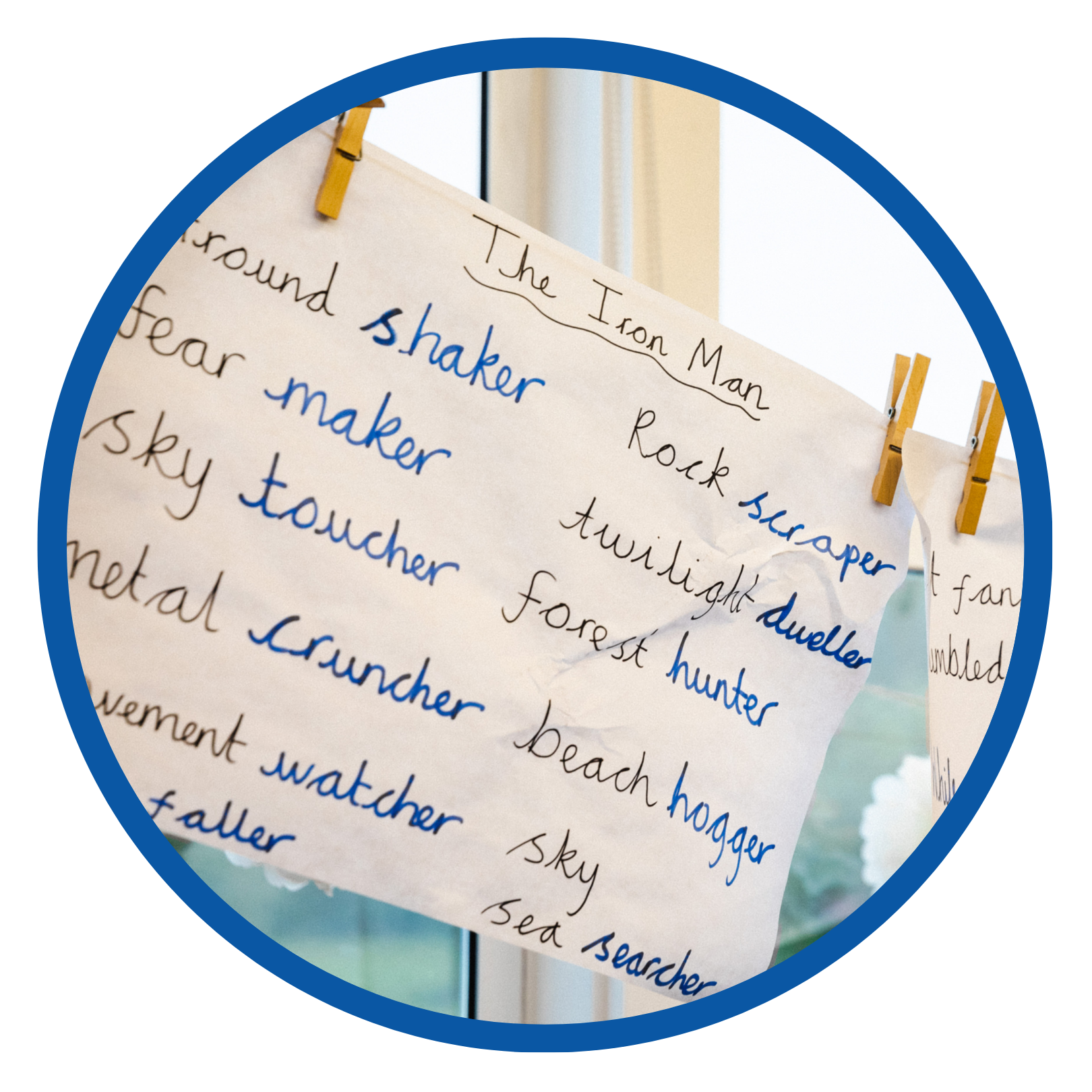

Get in touch for sample access, training details & bespoke costings for your school!
Click here to connect with us.


Book FREE Info Webinar -
Book FREE Info Webinar -
Aligned with the 2025 DfE Writing Framework
Ready Steady Write fully aligns with the recommendations of the July 2025 DfE Writing Framework and is already trusted by hundreds of schools across the UK. For leaders seeking clarity, Claire Belisari, our Head of Consultancy, provides a section-by-section breakdown of the framework, showing how Ready Steady Write meets every consideration when selecting a writing scheme and supports all children in viewing themselves positively as effective writers.

Data testimonials from schools and MATs using Ready Steady Write to improve their writing outcomes:
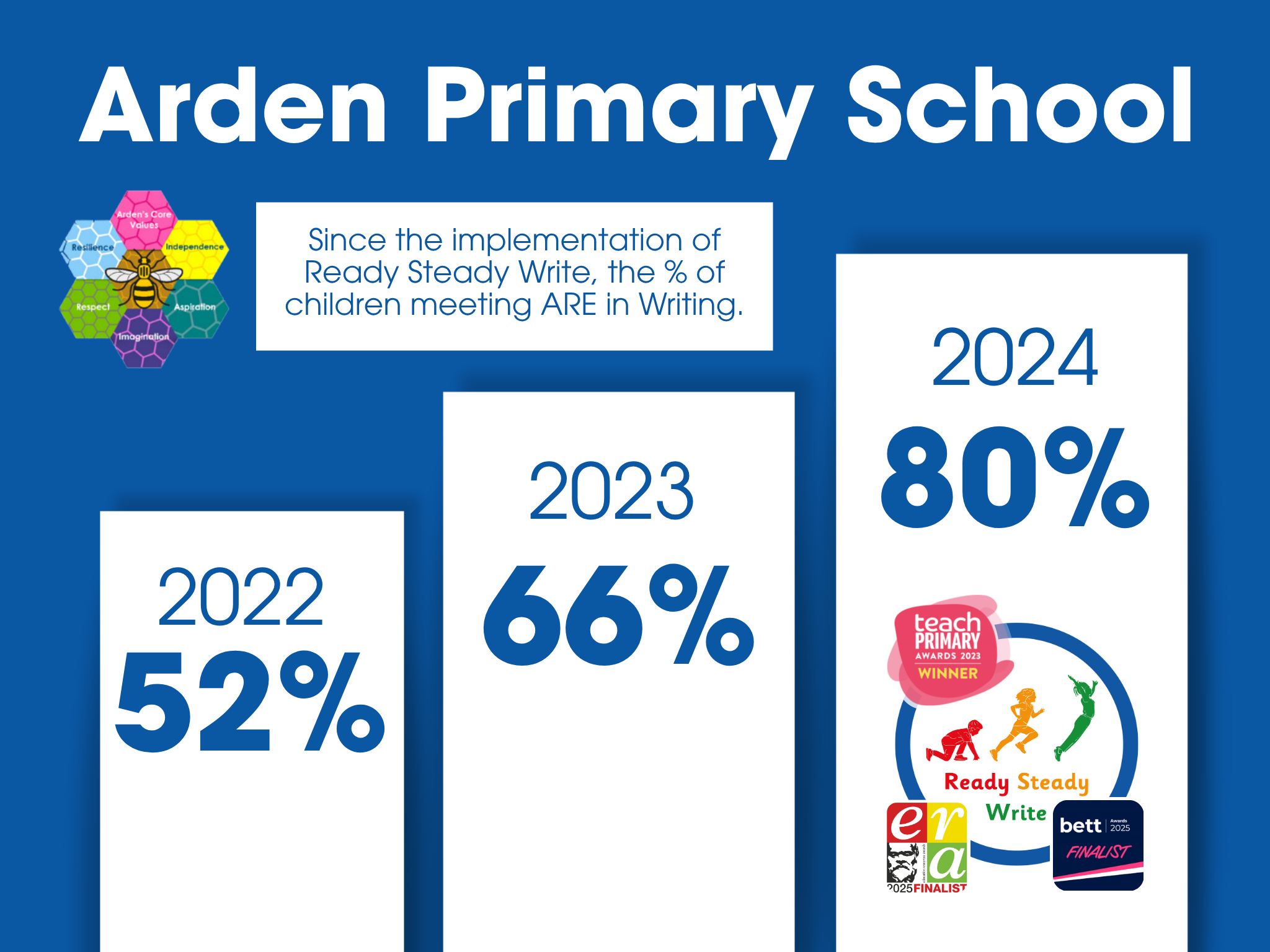
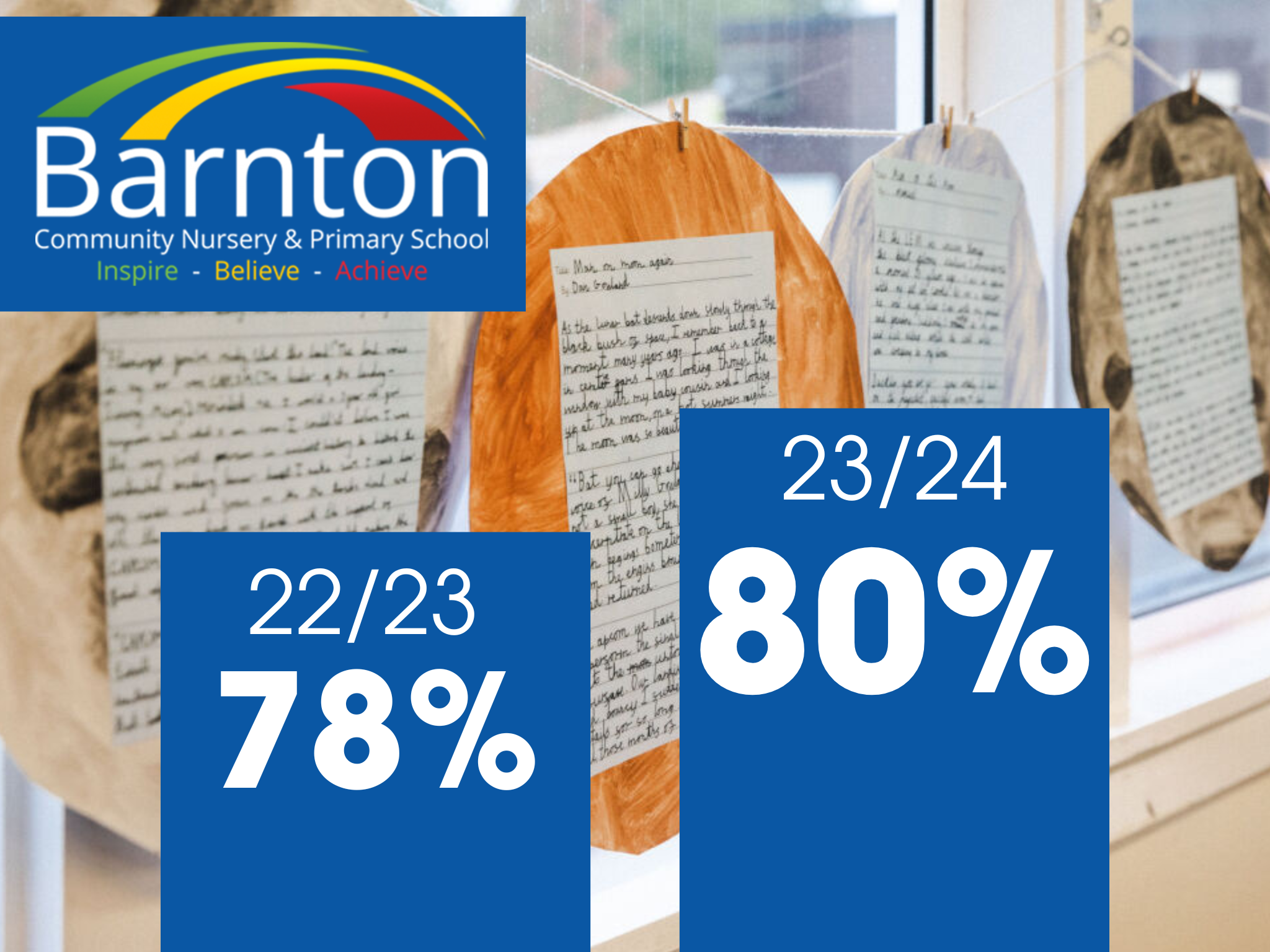

What Schools & Leaders are saying:
“Thanks to Ready Steady Write’s repetition and daily structure, our lowest 20% are making the progress we wanted.
As SLT, we now know that every cohort experiences a robust and steady curriculum. It’s given us confidence and clarity across year groups."
-C. Dootson, Deputy Headteacher, Feniscowles Primary School, Blackburn

“Data for KS1 & KS2 last year exceeded the national average and our recent OFSTED noted that we were challenging our more able children. The proof of the success is in the outcomes we are seeing for our disadvantaged learners. The scaffolding that the resources provided gives these children an additional advantage. These resources support staff in raising their expectations of all children and have raised engagement levels considerably in reading and writing. Thank you Literacy Counts”
-A. Gibbons, Headteacher, Mill View Primary School

"Having looked over the recently published DfE Writing Framework, I can see how much Ready Steady Write has already helped us reach a great place in our writing journey at Black Firs. Thank you for an incredible year with Literacy Counts."
-J. Harrison, ESL & Deputy Headteacher, Black Firs Primary School, Cheshire
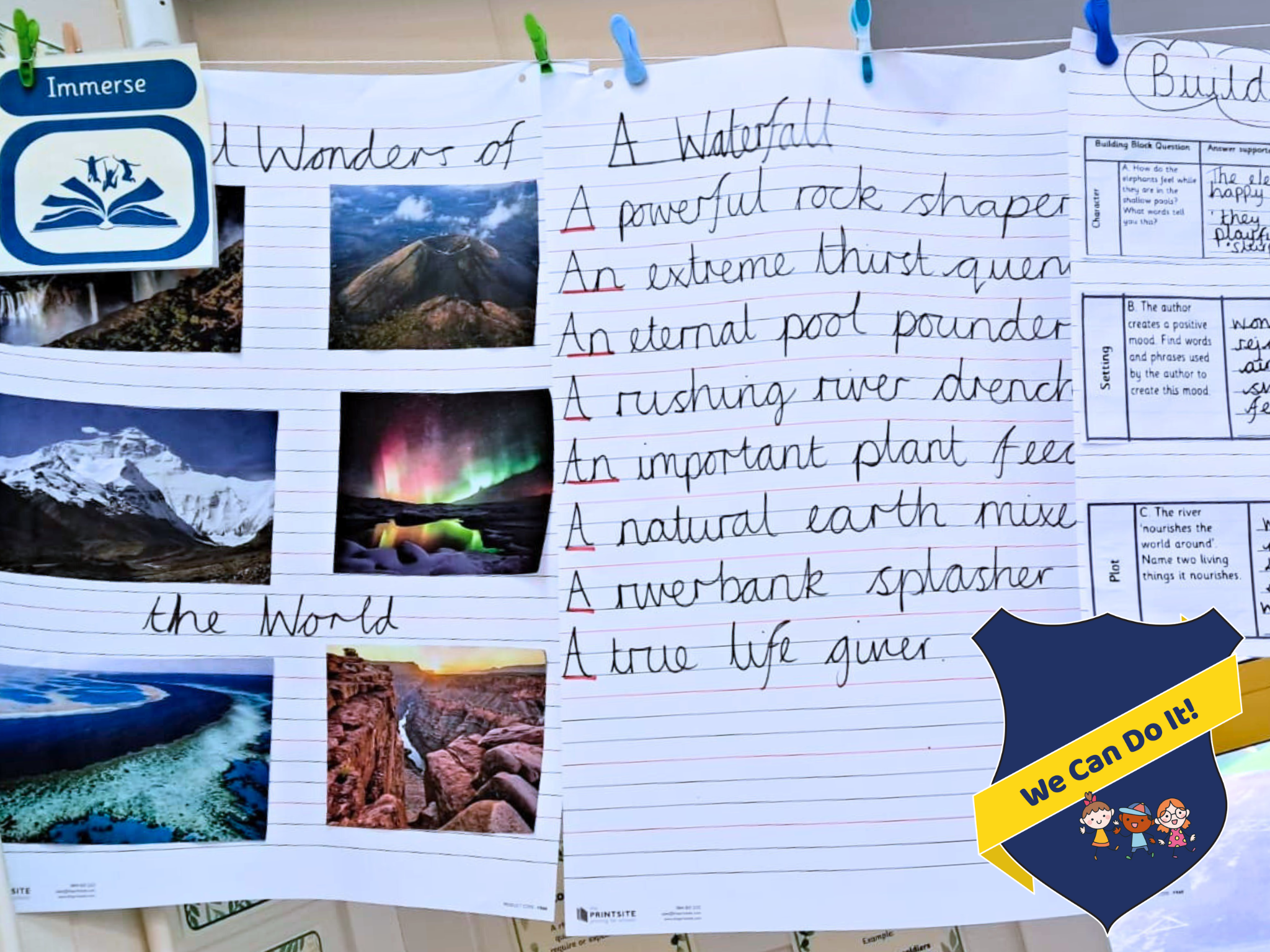

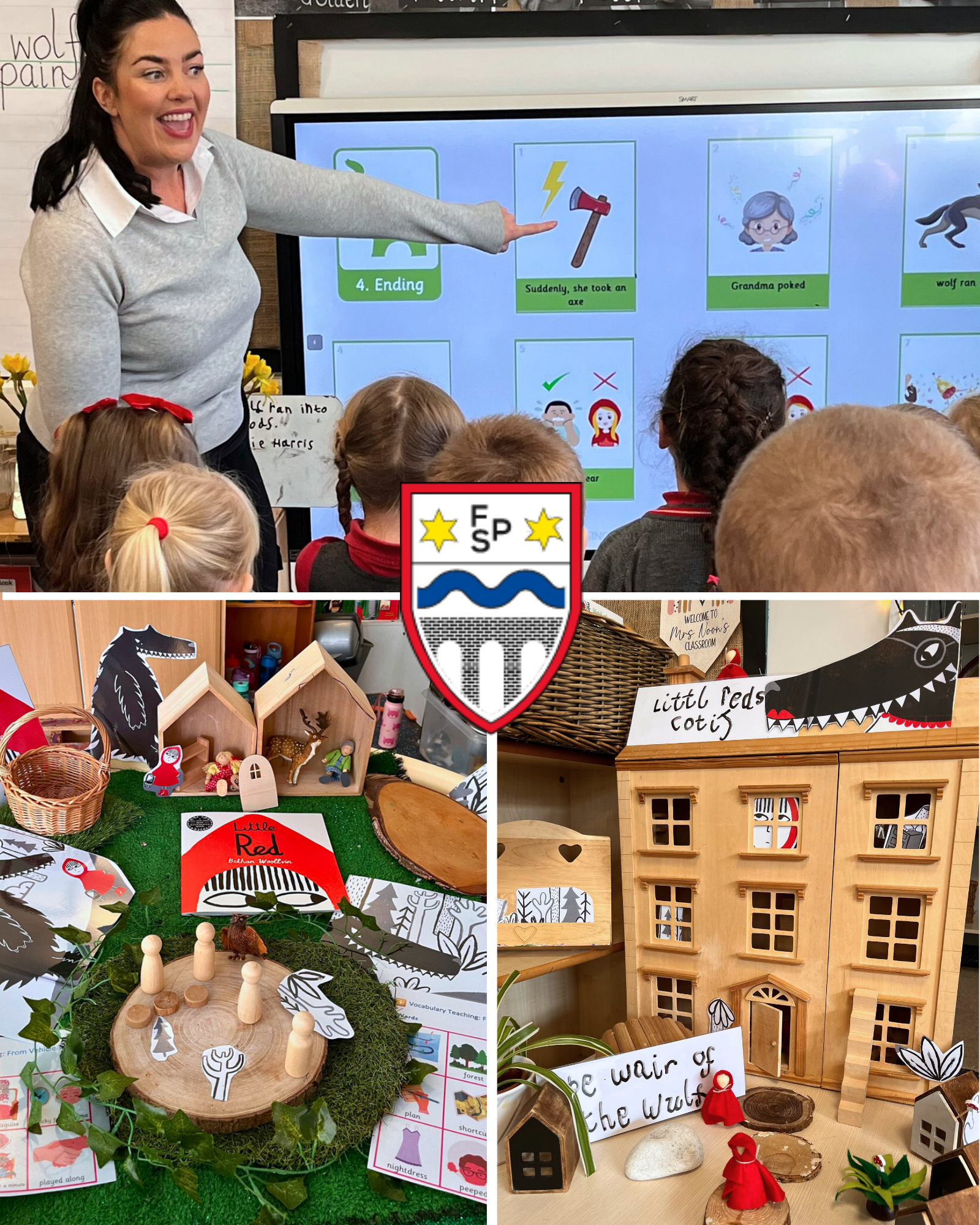
“Literacy Counts has done so much for Grange. Without it, we wouldn’t be in the position we’re in today.
We now have whole school consistency, knowledgeable staff, confident staff and brilliant outcomes across the school.”
-S. Albiston, Head at Grange Community, Winsford
“Literacy Counts have transformed the teaching of English at every level in our school (from teaching assistant, teachers to leadership). We cannot praise them enough.”
-J Savage, Assistant Headteacher, Banks Road, Liverpool




What Ofsted is Saying
-
![Ofsted comment highlighting high achievement in reading and writing with Ready Steady Write]()
“Good-quality stories and texts are used as a stimulus for writing. Pupils study a range of writing styles and develop a secure understanding of audience and purpose. Pupils’ writing develops well.”
Caedmon Community Primary School, Tyne and Wear
-
![Ofsted praise for consistent delivery of the primary writing scheme by trained teachers]()
“Pupils talk in depth about a wide range of high-quality literature and different subjects using the essential technical language that they have learned. Pupils become highly competent talkers, readers and writers.”
Emmaus CofE & Catholic Primary School, Liverpool
-
![Ofsted report recognising pupil confidence in speaking, reading and writing]()
“Leaders are very ambitious for what pupils will learn in reading and writing. In these subjects, pupils achieve exceptionally well. Teachers are suitably trained and deliver the programme consistently well.”
Halewood CofE Primary School, Liverpool
-
![Evidence of outstanding writing outcomes cited in a recent Ofsted inspection]()
“Pupils are confident and articulate speakers, listen well and write fluently in a range of styles. As they progress through the school, pupils write with increasing fluency and sophistication.”
The King’s School, Macclesfield
-
![Ofsted feedback showcasing the impact of a structured writing curriculum]()
“The school has taken timely action to raise pupils’ achievements in writing. The new writing curriculum is developing the quality of pupils’ written work.”
St Andrew’s Primary School, Dorset
-
![Comment from Ofsted on the success of a whole-school writing approach using Ready Steady Write]()
“Pupils' speaking, listening, reading and writing skills develop to particularly high levels as they move through the school. Pupils are articulate and feel confident to contribute their own ideas in class and in a range of contexts.”
Carleton House Preparatory School, Liverpool



Ready Steady Write is an online resource with everything teachers and leaders need to implement a dynamic, sequenced, and ambitious writing curriculum. All available at the click of a button!

Additional units included in membership!
Shakespeare (Y3 - Y6)
Olympics (EYFS - Y6)
Science (EYFS - Y6)
Wellbeing (EYFS - Y6)
and more coming soon!


…and much more!
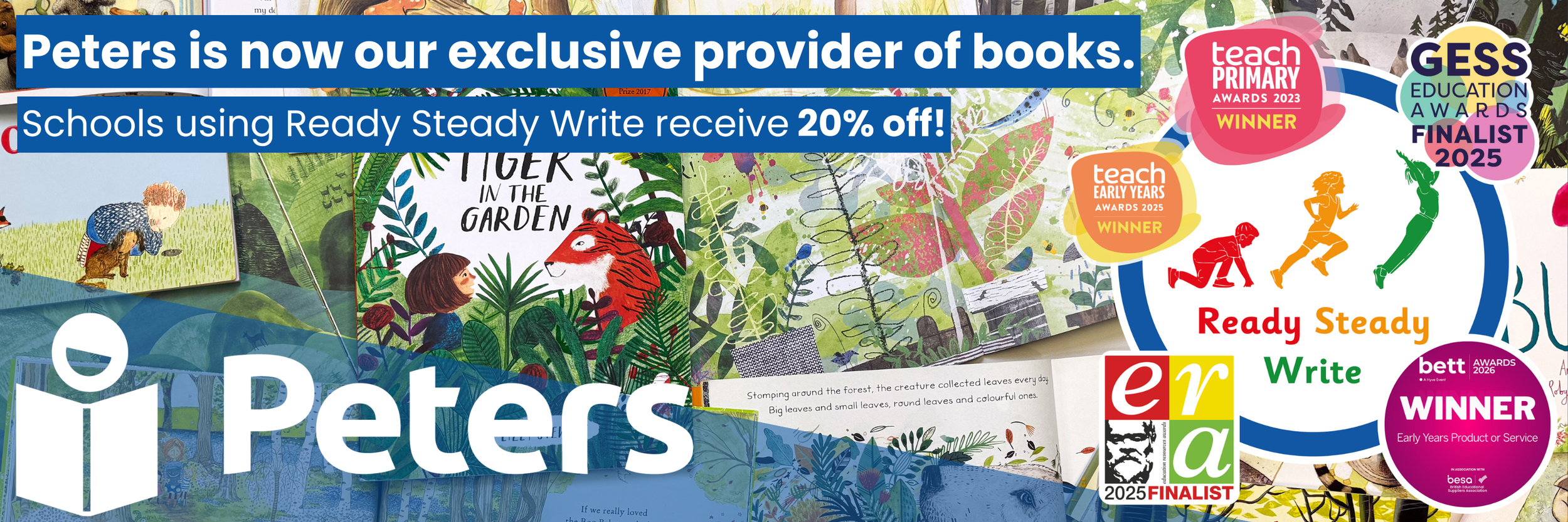
Ready Steady Write is a Teach Primary and Bett Award Winner!
Here’s what the UKLA judge said:
“Ready Steady Write is an excellent, user-friendly and comprehensive platform that is long-lasting and rich. It was highly praised by the judges for its impressive joined-up approach, which offers a real wealth and wide selection of resources for whole school planning purposes. Each unit has quality children’s literature embedded within it; they are inclusive and could be found in most classrooms. The programme includes dedicated segments for narrative or non-fiction outcomes, all centred around the importance of talk which ensures rich writing and deeper learning; whilst poetry creation is integrated into each curriculum block. In addition to the thorough planning units and examples of children’s writing, clear links to the national curriculum and teaching slides, the website encompasses robust assessment and monitoring strategies. This element was noted by the judges as particularly helpful for those in senior leadership to ensure a consistent approach is easily implemented across the school. Both early career teachers and those well-experienced in the profession will find value within this site.”
-Rebecca Simpson-Hargreaves, UKLA
Here’s what the Bett judges said:
“Ready, Steady Write demonstrated a consistent, evidence-based approach to reading, interpreting, planning, and writing… With a large, easily accessible, and carefully sequenced bank of lesson plans and resources, it provided early-years educators with everything they needed to teach the vital writing skills that underpin later success.”
Our School Improvement Project -
Our School Improvement Project -

Read how Moseley Primary School is transforming writing through the Everybody Write Project.
Everybody Write is our trusted two-year writing improvement project, designed to embed high-quality writing practice across whole schools and MATs. Grounded in our evidence-based Ready Steady Write scheme, the project supports curriculum leaders, class teachers and senior leaders to raise writing outcomes from EYFS to Year 6.
Whether you are looking to improve writing outcomes, close attainment gaps or develop a consistent whole-school approach, Everybody Write provides structured support across two academic years — including leadership development, whole school CPD, moderation and adaptive teaching strategies.
This writing school improvement project is already transforming outcomes in schools and MATs across the UK.
Want to explore a writing improvement project for your school or trust? Book a FREE 1:1 meeting with an expert consultant.

Improve Writing Outcomes with the Everybody Write: 2 Year Project
FAQs
-
Ready Steady Write is an excellent primary writing curriculum because it combines evidence-informed pedagogy with exceptional implementation support, making high-quality writing teaching both achievable and sustainable across a whole school. The programme explicitly teaches writing as a process through immersion in high-quality texts, oral rehearsal, vocabulary development, sentence accuracy, modelling, shared writing and carefully scaffolded independent application. Grammar and composition are taught in meaningful contexts, enabling children to understand not just what writers do, but why they make particular choices.
What makes Ready Steady Write particularly powerful is the way pedagogy is translated into classroom practice. Lessons are highly structured and progressive, with clear modelling, teaching slides, vocabulary support, assessment guidance and exemplification built in. This significantly reduces teacher workload while simultaneously improving teacher subject knowledge and confidence. The programme supports consistency allowing teachers to adapt effectively to the needs of their children while maintaining strong curriculum fidelity.
The impact is seen both in child outcomes and classroom practice. Schools consistently report stronger writing attainment, improved sentence accuracy, greater vocabulary development and increased child confidence and engagement. At the same time, leaders benefit from improved consistency across classrooms, more reliable assessment and moderation and a shared pedagogical approach that is easy to implement and sustain over time. The quality and impact of Ready Steady Write has also been recognised nationally. The programme is the only writing resource to have won the Teach Primary Award twice and the Bett Award once. Bett judges highlighted the programme’s consistent, evidence-based approach to reading, interpreting, planning and writing, as well as the quality of support it provides for teachers delivering writing across the primary phase.
-
Ready Steady Write improves writing outcomes by combining evidence-informed pedagogy with highly practical classroom implementation. The programme explicitly teaches the writing process through immersion in high-quality literature, oral rehearsal, vocabulary development, sentence accuracy, modelling, shared writing, and independent application. This helps children understand not only what to write, but how skilled writers make deliberate choices for purpose, audience and effect.
A key strength of the programme is its carefully sequenced curriculum. Writing knowledge and skills are progressively mapped from EYFS to Year 6, allowing children to revisit and deepen grammar, sentence structures, composition and authorial techniques over time. Daily sentence accuracy work and contextualised grammar teaching build fluency and confidence, ensuring that technical skills transfer successfully into independent writing.
Ready Steady Write also improves outcomes by supporting teachers to deliver consistently strong writing instruction. Detailed lesson sequences, teaching slides, model texts, exemplification and assessment guidance reduce workload while strengthening teacher subject knowledge and confidence.
As a result, schools report improved writing attainment, stronger vocabulary use, improved sentence accuracy, increased Greater Depth outcomes and greater child confidence and engagement in writing. Leaders also benefit from improved consistency in teaching, assessment and moderation across the school.
-
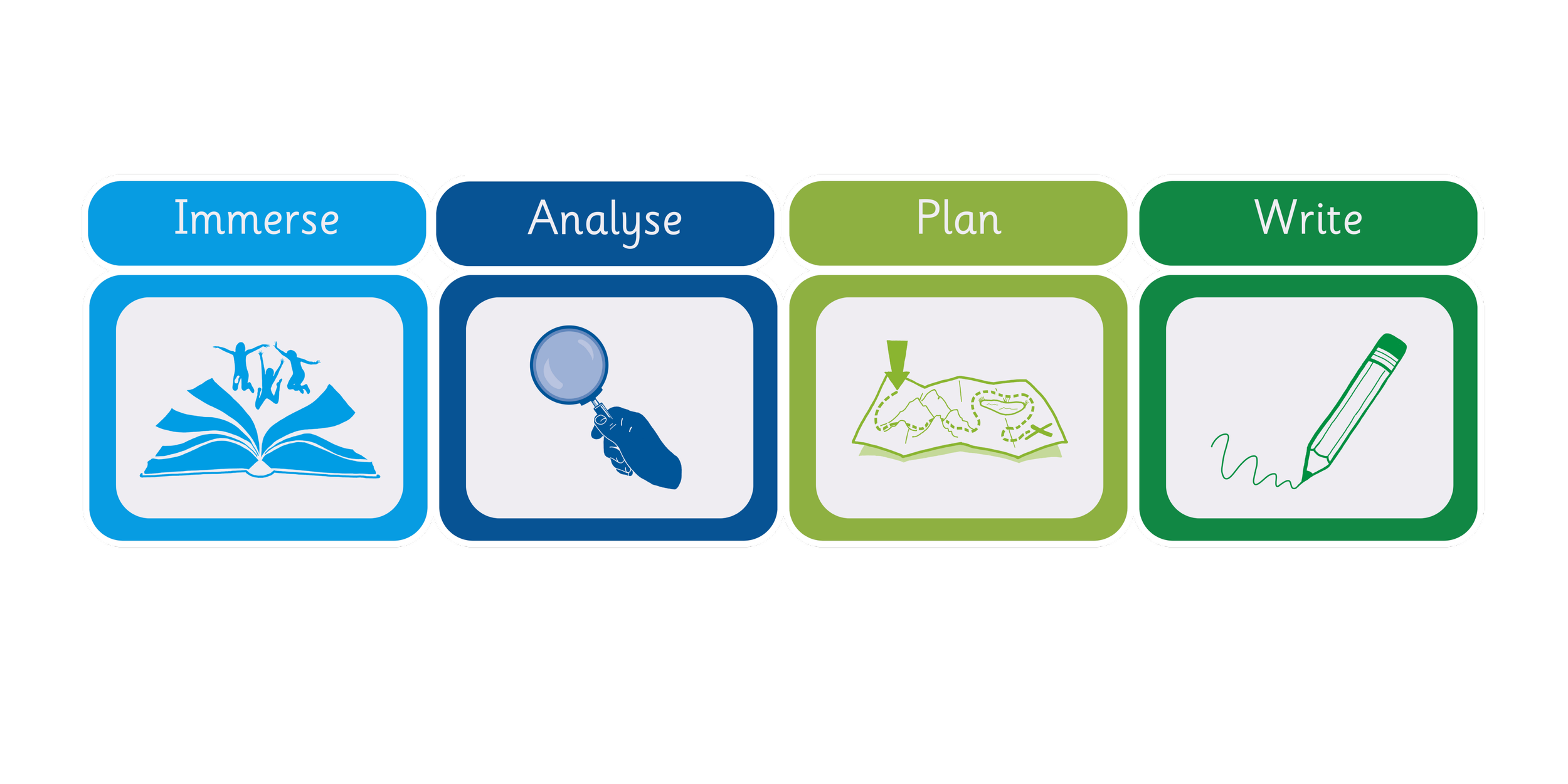
The Ready Steady Write teaching sequence is effective because it is built around a clear, evidence-based structure that reflects how children successfully learn to write. The sequence follows four key stages: Immerse, Analyse, Plan and Write, with incidental writes, editing and revising and daily sentence accuracy work woven throughout. The approach aligns closely with the DfE Writing Framework through its emphasis on explicit instruction, oral rehearsal, sentence construction and the gradual development of independence.
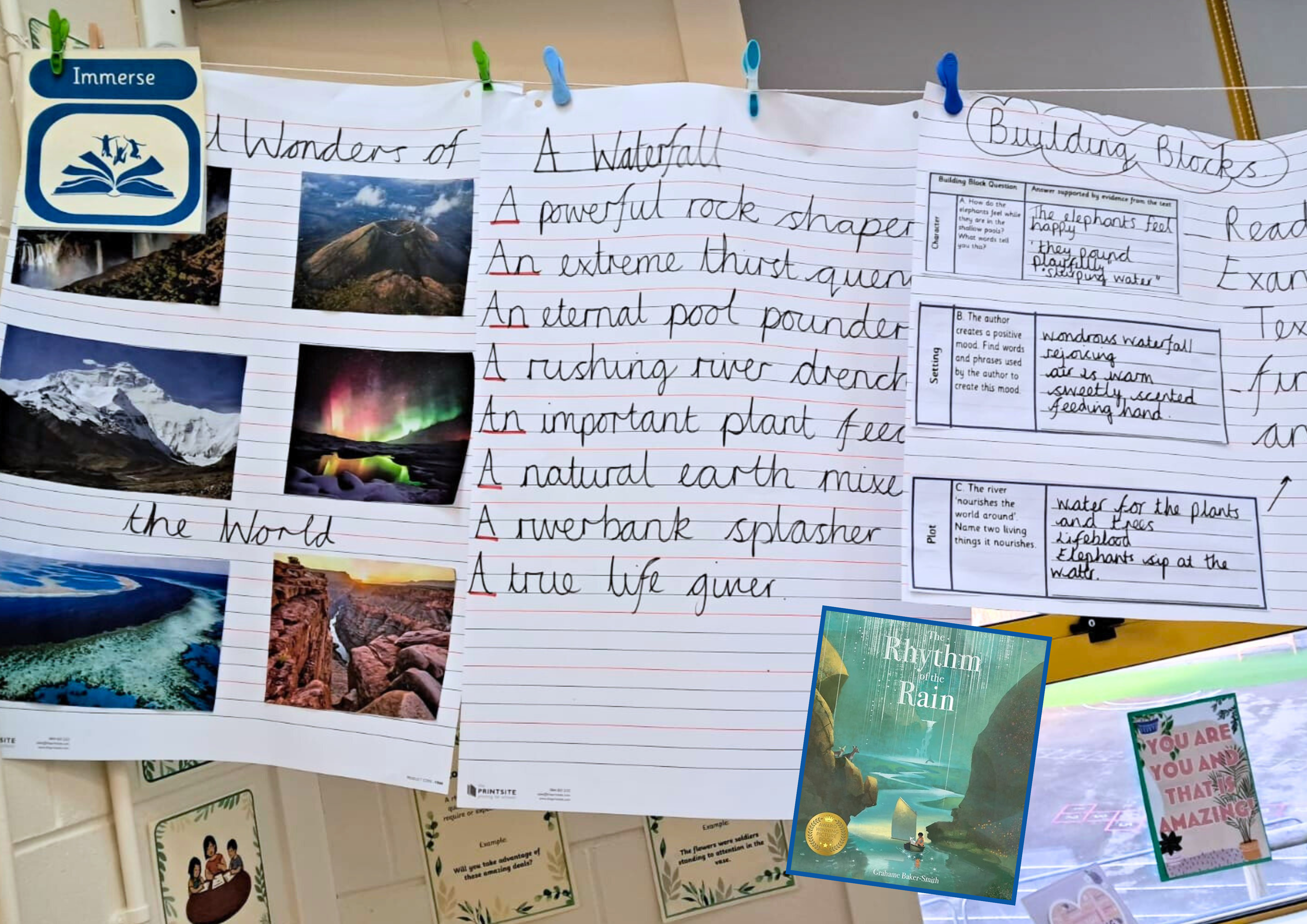
During the Immerse phase, children explore high-quality texts through discussion, vocabulary teaching and oral rehearsal before analysing authorial choices and grammar in model texts during the Analyse phase. Children then organise ideas carefully in the Plan phase before applying their learning through modelled, shared and independent writing in the Write phase.
A key strength of the sequence is the use of incidental writes, which allow children to practise sentence structures, vocabulary and writer’s knowledge in meaningful contexts before completing extended outcomes. Daily sentence accuracy sessions further strengthen grammar, punctuation and sentence fluency, helping children apply these skills independently in their final writing. Editing is also explicitly taught over time so children can reflect on and improve their work successfully.
Together, this carefully sequenced approach improves writing attainment, builds confidence and provides teachers with a consistent, easy-to-implement structure for high-quality writing instruction. -
Ready Steady Write supports reluctant and struggling writers through a carefully scaffolded approach that makes ambitious writing accessible without lowering expectations. Adaptive teaching is built directly into the structure of the programme, with support provided through oral rehearsal, visual scaffolds, vocabulary development, structured modelling, sentence-level guidance and gradual release approaches.
A key strength is the way the programme breaks writing into manageable stages. Children are immersed in rich texts, orally rehearse ideas, practise skills through incidental writes and receive explicit modelling before moving into independent writing. This reduces cognitive overload and helps children experience success regularly, building both confidence and stamina as writers.
Daily sentence accuracy sessions are particularly effective for struggling writers. Grammar, punctuation and sentence construction are revisited consistently, helping children secure foundational sentence structures before applying them independently in longer pieces. The programme also includes differentiated follow-up tasks after modelling, such as dictation, “fix it” activities and supported sentence construction, enabling teachers to provide the most appropriate next step for different learners.
The resource further supports teachers through practical adaptations guidance, sentence accuracy support sheets and training focused on meeting the needs of all learners. These sentence accuracy support materials have been developed in line with recommendations from the DfE Writing Framework, particularly around securing sentence-level foundations for all children. The sentence accuracy documents also include guidance linked to prior year group expectations, helping teachers identify and revisit earlier objectives where needed so that gaps can be addressed quickly and effectively. This ensures children build secure foundations while still accessing ambitious writing outcomes.
-
Ready Steady Write aligns fully with the DfE Writing Framework because it is built around the same evidence-based principles: explicit instruction, strong foundations, oral rehearsal, sentence-level teaching and the gradual development of independent writers.
The programme reflects the Framework’s emphasis on securing transcription early through daily teaching of sentence construction, handwriting, spelling and punctuation. In EYFS and KS1, children practise letter formation, orally rehearse sentences and apply phonics knowledge through dictated sentence work, while common exception words are revisited regularly.
A key area of alignment is the daily Sentence Accuracy approach. The Writing Framework highlights the importance of mastering sentences before moving into extended composition, beginning with secure single-clause sentences and gradually increasing complexity. Ready Steady Write mirrors this through explicit daily sentence teaching, oral composition, modelled examples, scaffolded practice and repeated rehearsal to build fluency and stamina.
The Framework also emphasises spoken language and reducing cognitive load, both of which are embedded throughout the Ready Steady Write sequence of Immerse, Analyse, Plan and Write. Children orally rehearse ideas, engage in structured discussion and use incidental writes to practise skills in manageable chunks before moving into extended writing. Grammar and composition are taught in meaningful contexts through high-quality texts, example texts and shared writing.
Ready Steady Write can also be used alongside Ready Steady Spell and Ready Steady Phonics to create a coherent whole-school approach to transcription and composition. Combined with implementation guidance, assessment support and adaptive teaching approaches, the programme translates the Writing Framework into a practical, easy-to-implement approach that improves consistency, confidence and writing outcomes across the whole school.
-
Yes. Ready Steady Write is particularly well suited to mixed-age classes because flexibility and adaptive teaching are built into the structure of the programme. The resource includes dedicated mixed-age planning guidance, suggested planning cycles and bespoke implementation support to help schools maintain progression and curriculum fidelity across different year groups.
Enhanced teaching slides include prior year group sentence accuracy options, allowing teachers to quickly select the most suitable sentence focus for different groups of learners. For example, Year 4 teachers can access both Year 4 and Year 3 sentence accuracy content directly from the slides, while Year 2 units include Year 1 and EYFS sentence support.
The carefully sequenced curriculum, combined with oral rehearsal, incidental writing, sentence accuracy and scaffolded support, makes it easier for teachers to adapt learning without lowering expectations. Schools are also supported through mixed-age webinars, implementation guidance and bespoke training, ensuring teachers feel confident delivering the curriculum effectively in complex classroom contexts.
As a result, Ready Steady Write enables mixed-age classes to maintain consistency, progression and high-quality writing instruction while still meeting the differing needs of children across multiple year groups.
-
Ready Steady Write builds foundational knowledge by explicitly teaching the core building blocks of writing every single day. The programme ensures that children secure sentence structure, grammar, punctuation, handwriting, spelling and vocabulary before being expected to write independently at length.
One of the strongest elements is the daily sentence accuracy session. Children practise constructing accurate sentences every day, beginning with secure single-clause sentences before progressing to more complex structures over time. This repeated rehearsal helps children develop fluency, confidence and automaticity in sentence construction, in line with recommendations from the DfE Writing Framework.
In EYFS and Year 1, foundational skills are taught very explicitly. Children orally rehearse sentences before writing them, practise correct letter formation and apply phonics knowledge within purposeful writing contexts. Common exception words are regularly revisited and applied so that spelling becomes increasingly automatic and accurate. In Year 2 to Year 6, this focus on foundational knowledge continues with daily sentence accuracy.
The programme also links closely with Ready Steady Spell, creating a coherent approach between spelling instruction and writing application. This ensures that spelling patterns, common exception words and transcription skills are not taught in isolation, but are consistently practised and embedded within real writing experiences.
Short burst and incidental writing opportunities further strengthen foundational knowledge because children repeatedly apply sentence structures, grammar and vocabulary in manageable chunks before moving into extended writing. Combined with explicit modelling, oral rehearsal and carefully scaffolded support, this approach helps children build the secure foundations needed to become confident, independent writers.
-
Ready Steady Write places oracy at the heart of the writing process because children write more effectively when they can first articulate and refine their ideas verbally. Oral rehearsal is embedded throughout the teaching sequence, helping children develop vocabulary, sentence fluency and confidence before writing independently.
During the Immerse phase, children engage in structured discussion, storytelling, drama, book talk and vocabulary exploration to deepen understanding of the text and generate ideas for writing. Children are encouraged to “step into the scene”, discuss character motivations and orally rehearse sentences before writing them down.
Oracy is also built into the daily teaching routines. Children regularly rehearse sentence structures aloud during sentence accuracy sessions, practise ambitious vocabulary in discussion and explain the effect of writer’s choices during the Analyse phase. This repeated verbal rehearsal helps children internalise language patterns and improves the quality and accuracy of their independent writing.
The programme’s strong focus on oracy is particularly beneficial for disadvantaged children, children with SEND and children with EAL because it strengthens language acquisition alongside writing development. By giving children regular opportunities to talk, rehearse and refine ideas, Ready Steady Write helps children become more confident communicators as well as stronger writers.
-
Ready Steady Write places high-quality children’s literature at the heart of the curriculum because strong writing is built from rich reading experiences. Every unit is centred around carefully selected, language-rich texts that expose children to ambitious vocabulary, powerful themes and authentic examples of writing. Many of the books are award-winning, highly diverse and rich in illustration, helping to inspire children both emotionally and intellectually.
Importantly, Ready Steady Write does not use books as superficial “hooks” for activities. Children are taught to read as writers. For example, children might explore how an author creates suspense, analyse how vocabulary builds atmosphere or discuss why a writer has chosen a particular sentence structure. Through the Analyse phase, children learn how grammar, language and organisation create impact on the reader before applying these techniques in their own writing.
The rich illustrations within texts are also used deliberately to support oracy, vocabulary and writing development. Children may step into a scene through drama, hot-seat characters to explore motivations or gather ambitious vocabulary from illustrations before completing incidental writes and extended outcomes. This helps children orally rehearse ideas and develop a deeper understanding of character, theme and language before writing independently.
The programme can also be used alongside Ready Steady Read Together which also places high-quality children’s literature at its core. This shared reading resource uses a diverse range of carefully selected fiction, non-fiction and poetry texts to immerse children in rich vocabulary, meaningful themes and engaging reading experiences that strengthen comprehension, fluency and a lifelong love of reading.
-
Ready Steady Write supports progression across all year groups through a carefully sequenced, spiral curriculum that builds writing knowledge and skills systematically from EYFS to Year 6. Vocabulary, sentence construction, grammar, punctuation, text structure and composition are all progressively mapped so that children revisit and deepen learning over time rather than encountering skills in isolation.
The programme begins with strong foundations in EYFS and Year 1, where children develop oral language, storytelling, sentence construction, letter formation and early transcription skills through oral rehearsal, phonics and purposeful sentence writing. As children move through the school, they gradually apply these secure foundations to increasingly sophisticated sentence structures, text types and independent writing outcomes.
A key strength is the daily sentence accuracy work, which ensures progression is built incrementally. Children regularly revisit prior learning while being introduced to new sentence structures and grammar concepts in manageable steps. Enhanced units begin with secure single-clause sentences before progressing to more complex structures, reflecting recommendations from the DfE Writing Framework. Sentence accuracy support documents also reference prior year group expectations so teachers can quickly identify and revisit gaps where needed.
The consistent teaching sequence of Immerse, Analyse, Plan and Write also supports progression because children become increasingly confident with the writing process itself. Incidental writes, oral rehearsal, model texts and extended outcomes allow children to practise and apply skills repeatedly across a range of contexts and genres.
For teachers and leaders, the programme provides progression documents, assessment guidance and exemplification materials that create clear expectations across the school. This ensures consistency between year groups and helps all staff understand how writing knowledge and skills build over time.
-
Ready Steady Write is designed to actively develop teacher subject knowledge through detailed, high-quality planning and extensive pedagogical support. The programme provides far more than lesson plans; it supports teachers in understanding how writing should be taught effectively and why particular approaches improve outcomes.
Each unit includes carefully structured lesson sequences, explicit modelling, shared writing opportunities, vocabulary instruction, grammar teaching in context and detailed teaching slides. Daily Sentence Accuracy sessions include clear explanations for every sentence type and grammar focus, helping teachers build confidence in delivering explicit sentence-level instruction. The simple modelled sentences on the whiteboards also help teachers understand how sentences can be developed and manipulated for effect.
The programme is particularly supportive for teachers with limited subject knowledge or experience because it includes video exemplification of sentence accuracy, shared writing, modelled writing, editing and classroom setup. Seeing these approaches in practice helps teachers develop a deeper understanding of effective writing pedagogy and classroom implementation.
Ready Steady Write also provides glossaries, assessment exemplification, progression documents and guidance on what independent writing looks like across year groups. Teachers can access real examples of child work, moderation materials and commentary to strengthen assessment knowledge and consistency.
Importantly, the programme develops teacher expertise without becoming over-scripted. It provides enough structure and guidance to support early career teachers and non-specialists, while still allowing experienced practitioners the flexibility to adapt teaching to the needs of their children. Over time, this builds teacher confidence, strengthens subject knowledge and improves consistency across the whole school.
-
The structure of Ready Steady Write is informed by a wide range of educational research into how children successfully learn to write. The programme combines evidence around reading, oracy, explicit instruction, modelling, grammar teaching and the writing process itself to create a carefully sequenced, evidence-informed curriculum.
The core sequence of Immerse, Analyse, Plan and Write is based on the UKLA and Primary National Strategy writing model (UKLA and Primary National Strategy, 2004), recognising the strong interrelationship between speaking and listening, reading and writing. The programme is also rooted in the principle that children learn to write from what they read (Barrs and Cork, 2002), which is why high-quality, language-rich children’s literature sits at the heart of every unit.
Research from Beck et al. (2002) informs the programme’s explicit vocabulary instruction, while the work of Aidan Chambers (1999) and Dorothy Heathcote and Gavin Bolton (1994) influences the use of Booktalk, discussion and drama to deepen comprehension and generate ideas for writing. More recent research around dialogic teaching and structured discussion (Young and Ferguson, 2023) further reinforces the programme’s emphasis on oral rehearsal before writing independently.
The programme’s strong focus on explicit modelling, scaffolding and feedback is heavily influenced by Education Endowment Foundation guidance (EEF, 2017; EEF, 2020; EEF, 2021). Ready Steady Write includes shared writing, incidental writes, sentence accuracy sessions and carefully scaffolded practice because research shows that children develop writing most successfully when skills are broken into manageable steps and modelled explicitly. Alex Quigley and Rob Coleman’s work on structured writing frames and targeted feedback (Quigley and Coleman, 2022) also informs the programme’s approach to scaffolding and writing development.
Ready Steady Write also aligns with the DfE Writing Framework. The programme reflects the Framework’s emphasis on securing strong transcription and sentence-level foundations through daily sentence accuracy, oral composition, handwriting, spelling and explicit grammar instruction. Enhanced units begin with secure single-clause sentences before gradually increasing complexity, helping children build fluency and automaticity over time. The Framework’s recommendations around reducing cognitive load, oral rehearsal, explicit instruction and gradual independence are embedded throughout the sequence of Immerse, Analyse, Plan and Write.
Research around grammar and composition also shapes the programme. The teaching of grammar in meaningful writing contexts is influenced by Grammar for Writing (DfEE, 2000), while Myhill et al. (2012) informs the focus on helping children develop a “repertoire of possibilities” as writers. Example texts and Writer’s Knowledge activities support children in understanding how authors make deliberate choices and the impact these choices have on the reader.
Importantly, Ready Steady Write does not rely on a single approach or theory. Instead, it combines academic research, classroom practice and ongoing school feedback to create a practical, easy-to-implement structure that improves teacher confidence and writing outcomes across the whole school.
-
Yes. Ready Steady Write offers exceptional value for money because it combines a complete writing curriculum, high-quality teaching resources, professional development and implementation support within one package.
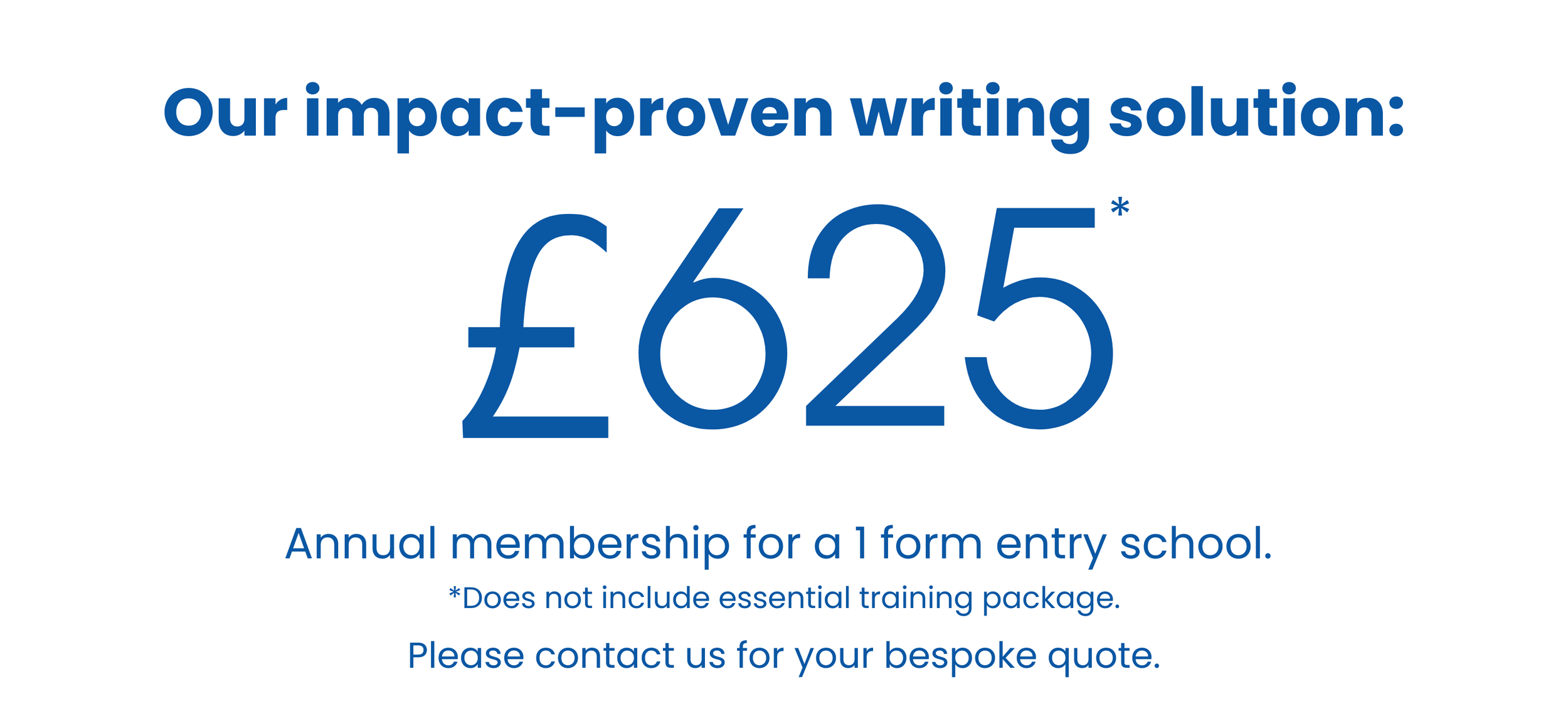
For a one-form entry primary school of approximately 210 children, the annual membership cost of £625 works out at around 1.6p per child, per school day across the academic year. For that cost, schools receive a fully sequenced writing curriculum, detailed teaching slides, model texts, assessment guidance, sentence accuracy resources, exemplification materials and ongoing curriculum updates. The programme also significantly reduces teacher workload by removing the need to create units, model texts and supporting resources from scratch.
The Essential Training Package, priced at £1325, also represents strong long-term value because it is designed to build sustainable whole-school improvement rather than provide one-off training. The package includes whole-school professional development, leadership consultancy and adaptive teaching training to support implementation across all year groups. Staff can revisit training materials over time, making it particularly supportive for onboarding new teachers, developing subject knowledge and maintaining consistency year after year.
Importantly, the impact extends beyond resources alone. Schools benefit from improved writing outcomes, stronger teacher confidence, greater consistency across classrooms and a shared pedagogical approach that is easier to sustain over time. When considered alongside the reduction in planning workload, ongoing CPD support and whole-school improvement benefits, Ready Steady Write provides a highly cost-effective investment in writing provision.
Join our mailing list!
Join our mailing list to keep up to date with news and upcoming courses!