The Importance of Diversity and Inclusion in Ready Steady Read Together
During my time as a teacher, I attended several Reading for Pleasure conferences hosted by Professor Teresa Cremin and the Open University. On one such occasion, I had the pleasure of meeting the keynote speaker, renowned children’s author Onjali Q. Rauf, author of The Boy at the Back of the Class, among other lovely books. During her speech, she conveyed her great love of reading and writing. However, she revealed that she never initially considered the possibility of becoming an author herself as all the books she had read as a child had been written by white men.
In choosing vehicle texts for Ready Steady Read Together, we wanted every child to feel represented. We wanted all children to feel that voices and stories like theirs are important and valued. We aimed to inspire the future authors in today’s classrooms, showing them that characters like themselves matter and that their stories deserve to be told.
Representation across authors, illustrators, characters and themes when selecting texts
We wanted Ready Steady Read Together vehicle texts to serve as both windows and mirrors (Sims Bishop, 2015). Books as mirrors are self-affirming and allow children to see themselves and experiences akin to their own reflected within the pages. Books as windows provide children an opportunity to delve into the lives of people and places very different from their own lives. By walking a proverbial mile in a character’s shoes, children develop emotional literacy, enhancing their empathy and understanding for others. Encountering characters, histories and viewpoints different from their own, not only fosters empathy; it also broadens perspectives and reduces prejudice and discrimination. Exposure to a wide range of cultures, family structures, abilities and identities challenges stereotypes, whilst nurturing compassion and understanding. In this way, diverse texts encourage children to become independent and critical thinkers.
The Reflecting Realities Survey of Ethnic Representation within UK Children’s Literature has fluctuated considerably in recent years, peaking at 30% in 2022, dropping to 17% in 2023 and rising again to 24% in 2024 (CLPE Reflecting Realities 2025). Whilst an increase is better than another decline, 24% still falls short of the approximately 38% of pupils from minority-ethnic backgrounds in primary schools (DfE Schools, Pupils and their Characteristics 2025). The proportion of pupils from minority-ethnic backgrounds has more than doubled in roughly the past two decades, highlighting the urgent need for literature to better reflect the diversity of today’s classrooms.
Diverse representation cultivates a sense of belonging
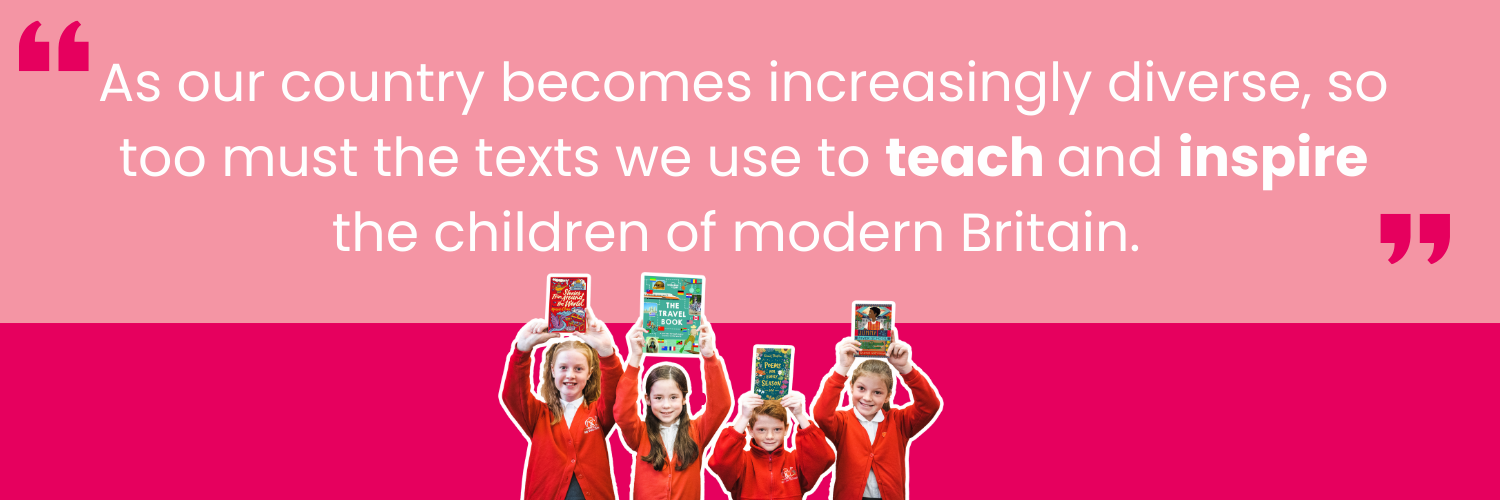
As our country becomes increasingly diverse, so too must the texts we use to teach and inspire the children of modern Britain. Today’s classrooms are multicultural, and children’s life experiences vary widely. Pupils are more likely to engage with literature when it reflects their lives and relatable experiences. Diverse representation cultivates a sense of belonging: when children feel accepted and their stories and backgrounds are valued, confidence and engagement increase, often leading to higher achievement. Encountering diverse examples of success, whether through books by authors from different backgrounds or biographies of diverse scientists, artists, musicians, athletes or historical figures, children’s aspirations broaden and elevate.
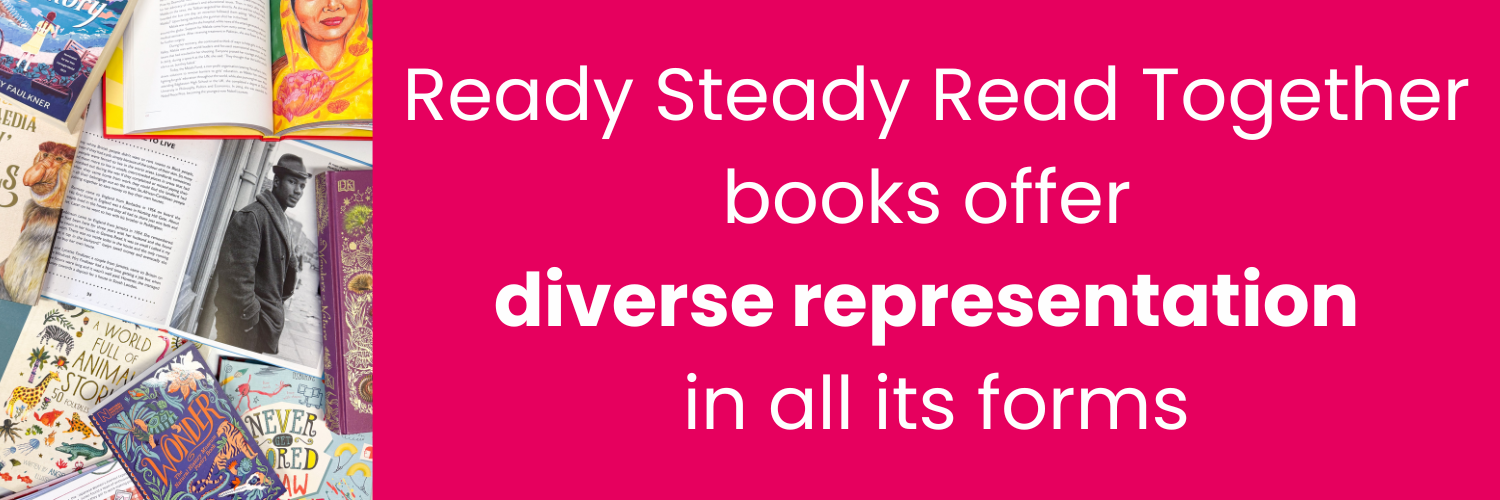
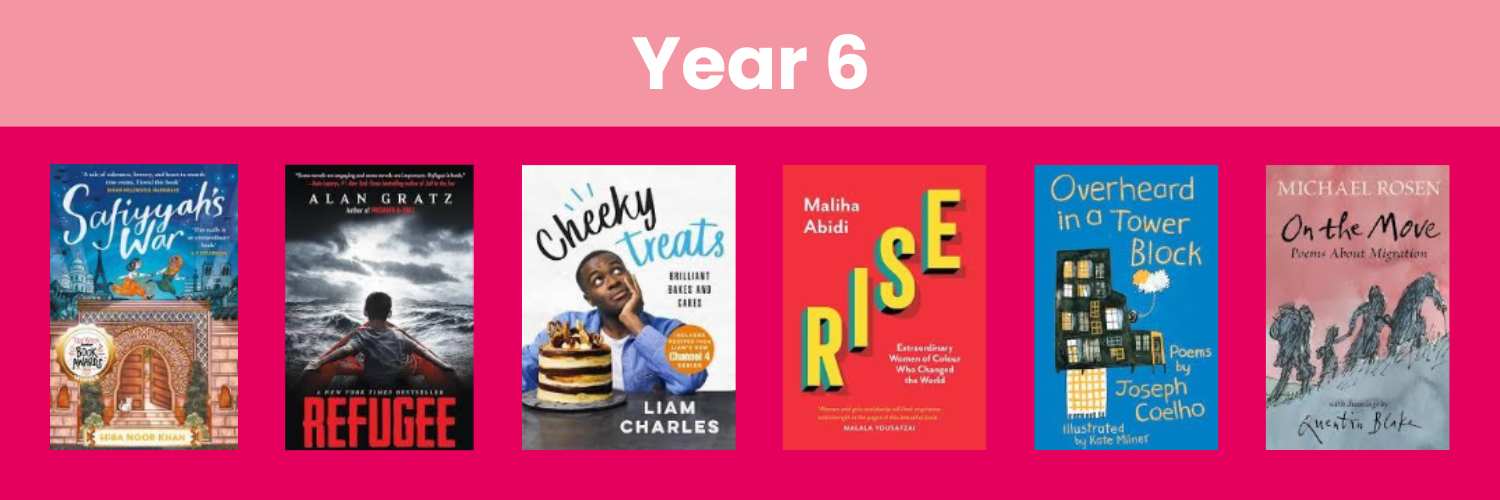
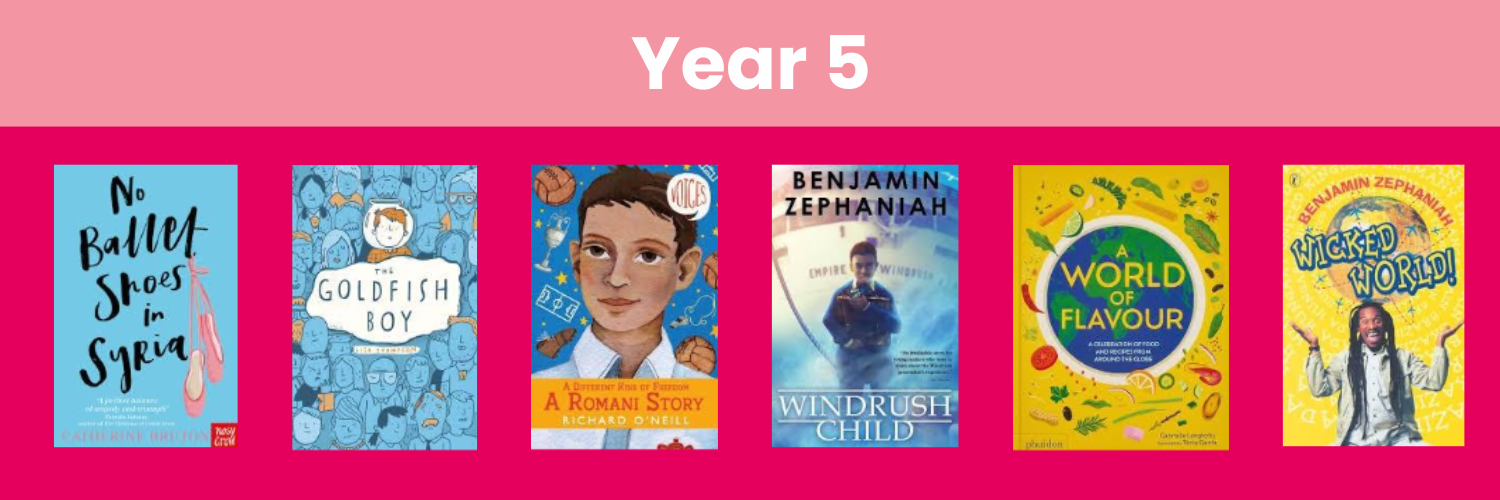
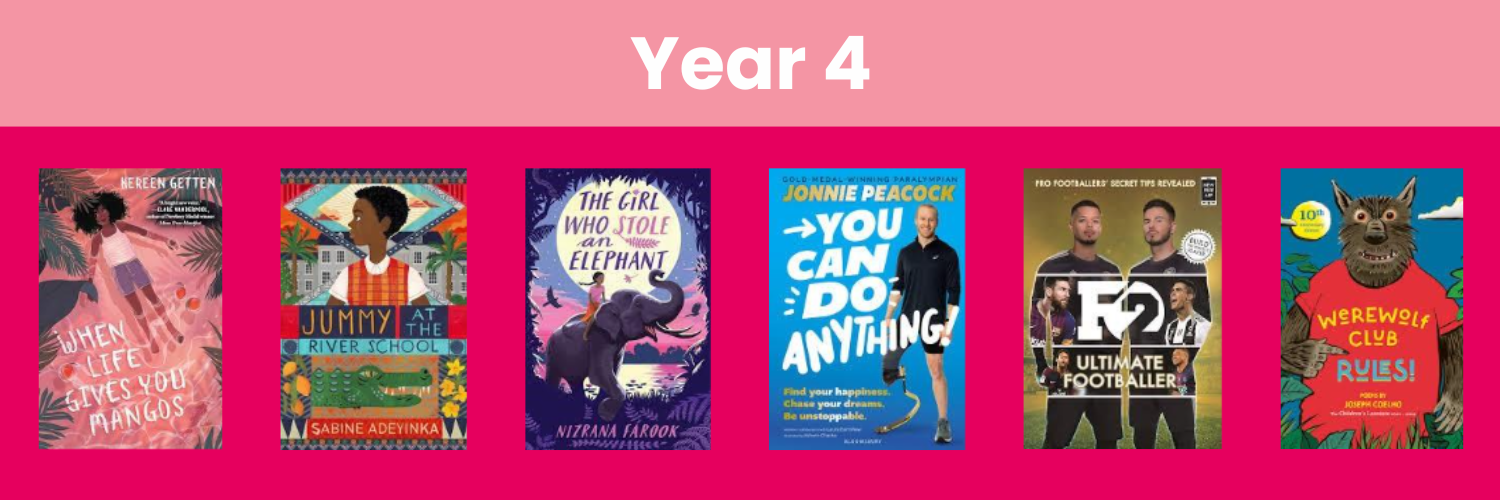
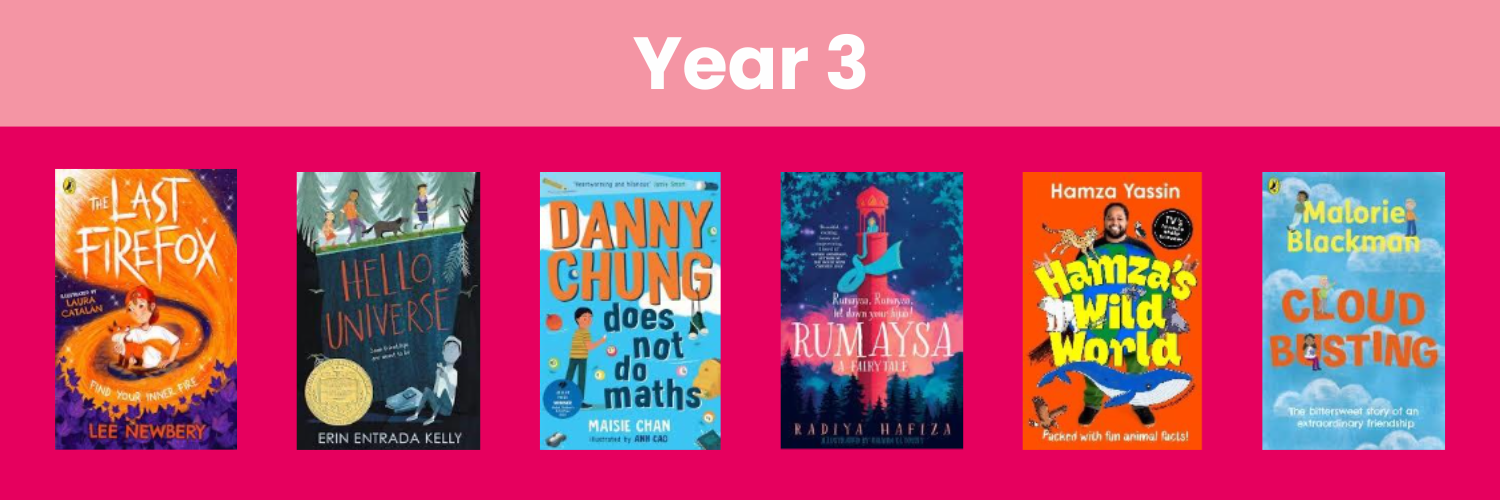
Ready Steady Read Together books offer diverse representation in all its forms: diverse authors and illustrators; real-life figures from a variety of backgrounds and countries; poets’ authentic voices; diverse characters and families and diverse topics. Over 50% of the Ready Steady Read Together vehicle texts have diverse representation of at least one form.
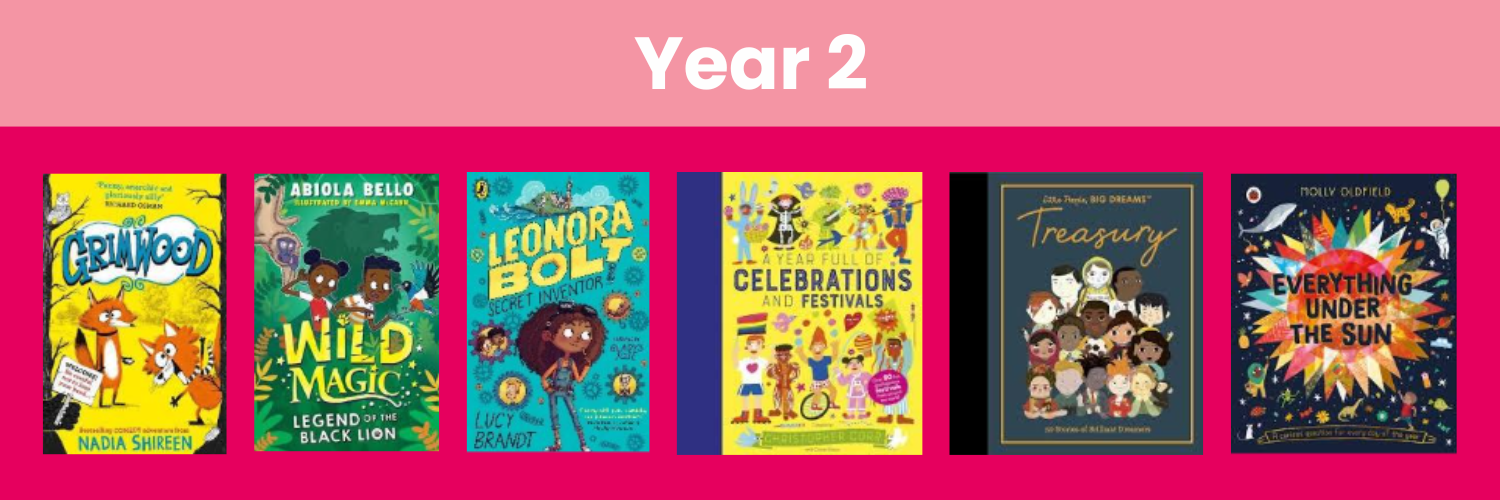
Here are just a few examples of diverse Ready Steady Read Together texts:
Ready Steady Read Together is already helping hundreds of schools raise reading standards and build confident, motivated readers. Discover why so many teachers are choosing it as their shared reading solution today.